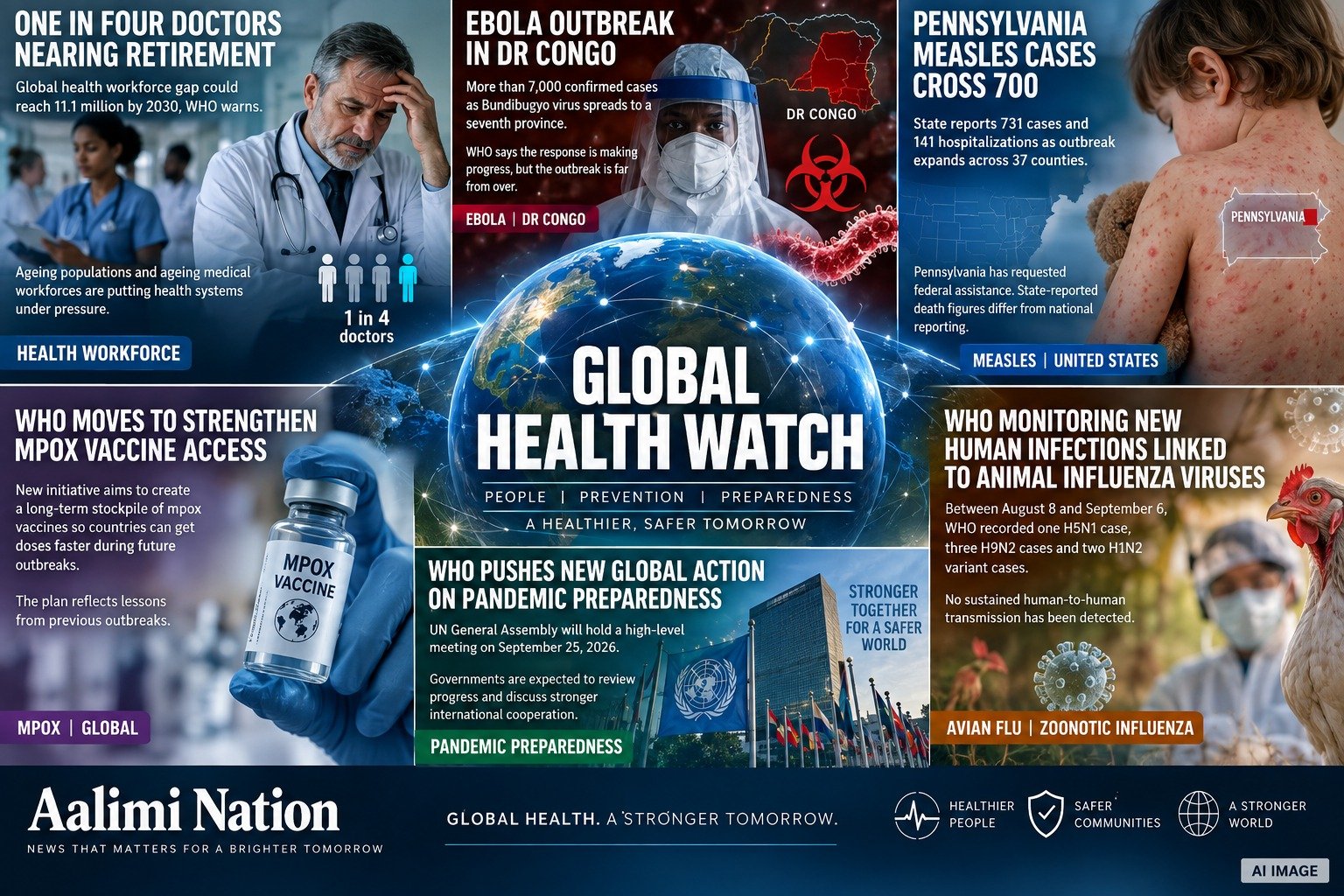
One in Four Doctors Nearing Retirement as Global Health Workforce Shortage Deepens
Ageing medical workforces and rising healthcare demand are putting health systems under mounting pressure, with WHO projecting a global shortage of around 11.1 million health workers by 2030.
GENEVA | AALIMI NATION HEALTH DESK
The world is heading towards a potentially serious shortage of doctors, nurses and other healthcare professionals as countries confront the combined pressures of ageing populations, growing demand for medical services and an ageing health workforce.
The World Health Organization estimates that the global shortage of health workers could reach approximately 11.1 million by 2030, with much of the projected deficit concentrated in low- and lower-middle-income countries. WHO says the global health workforce currently exceeds 70 million people, but significant geographical inequalities remain in the availability of trained medical personnel.
The challenge extends beyond the overall number of health professionals. Many countries must simultaneously replace experienced doctors and nurses reaching retirement while training enough new professionals to meet increasing healthcare demand.
Ageing populations are particularly important because older people generally require greater access to healthcare, including treatment for chronic diseases, cancer, cardiovascular conditions, diabetes and age-related disorders.
This creates a double pressure: healthcare demand can increase at the same time that experienced professionals leave the workforce.
WHO stresses that functioning health systems ultimately depend on the availability, accessibility and quality of healthcare workers. Countries therefore face growing pressure to invest not only in hospitals and medical technology but also in education, training, recruitment and retention.
Why It Matters
The coming healthcare challenge may increasingly become a crisis of human resources rather than infrastructure alone.
A country can build hospitals, purchase sophisticated medical equipment and introduce new medicines, but those investments cannot deliver their full benefits without enough doctors, nurses, technicians, pharmacists, community health workers and other trained professionals.
For governments, the question is increasingly straightforward: who will provide healthcare when today's medical workforce retires?
AFRICA | EBOLA EMERGENCY
Ebola Outbreak Spreads Across DR Congo as WHO Battles Bundibugyo Virus
The outbreak has expanded rapidly since it was declared in May, creating a major test for disease surveillance, emergency healthcare and vaccine development.
KINSHASA / GENEVA | AALIMI NATION HEALTH DESK
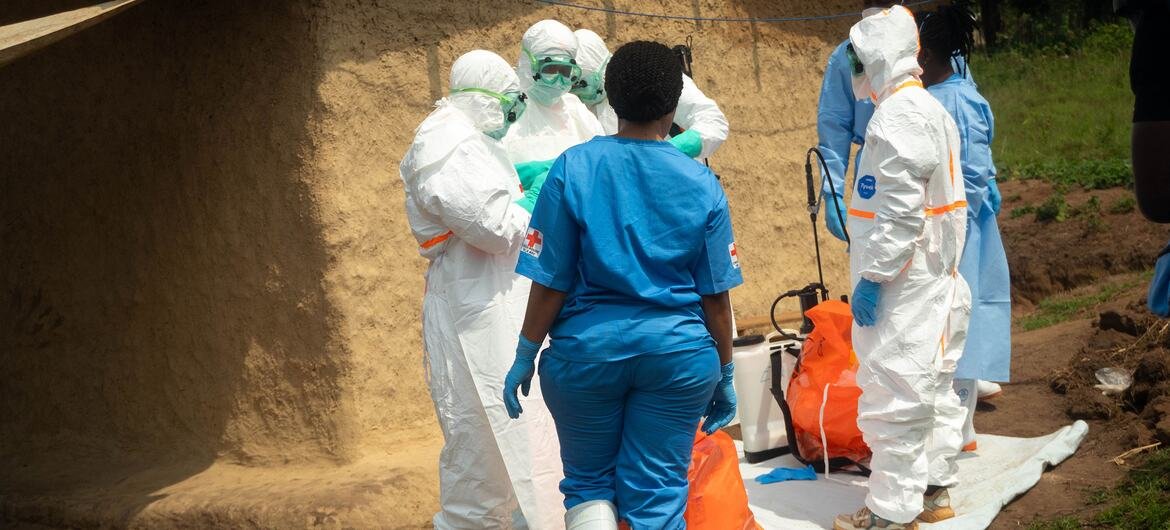
Health authorities and international partners continue to confront a serious Ebola outbreak in the Democratic Republic of the Congo involving Bundibugyo virus, a form of orthoebolavirus capable of causing severe and potentially fatal disease.
The Democratic Republic of the Congo officially declared its 17th Ebola disease outbreak on May 15, 2026. Early cases were concentrated in Ituri Province before infections expanded geographically.
WHO reported that the outbreak subsequently grew rapidly. By July 15, the agency had recorded 2,124 confirmed cases and 828 deaths, corresponding to a crude case-fatality ratio of approximately 39 percent.
By July 30, WHO reported 3,605 confirmed cases and 1,587 deaths, with cases detected across 49 health zones in five provinces.
The outbreak is particularly difficult because the affected areas face humanitarian pressures, insecurity, population movement and logistical challenges. WHO says these conditions complicate surveillance, contact tracing, isolation and delivery of healthcare.
The Vaccine Challenge
One of the most important distinctions in this outbreak concerns vaccination.
The Bundibugyo virus involved in the outbreak is different from the Ebola virus targeted by established Ebola vaccines. WHO states that there is currently no licensed vaccine or specific treatment against Bundibugyo virus disease, although vaccine candidates are being investigated.
That distinction is important when reporting the use of Ebola vaccines during the emergency. Vaccines proven against another Ebola species should not automatically be described as proven protection against Bundibugyo virus.
The outbreak demonstrates how quickly an infectious disease emergency can become an international challenge when transmission occurs in areas affected by conflict, displacement and weak healthcare infrastructure.
UNITED STATES | MEASLES
Pennsylvania Measles Outbreak Surges Past 700 Cases
The highly contagious disease has spread across dozens of counties, placing renewed attention on vaccination and public-health surveillance.
PENNSYLVANIA | AALIMI NATION HEALTH DESK
Pennsylvania is confronting a major measles outbreak, with state health authorities reporting 731 cases by September 16, 2026.
The Pennsylvania Department of Health's September 16 update said infections had been identified across 38 counties, demonstrating the geographical expansion of the outbreak.
The state launched a dedicated measles dashboard earlier this year to provide updated information about cases, affected counties, patient age groups and hospitalizations.
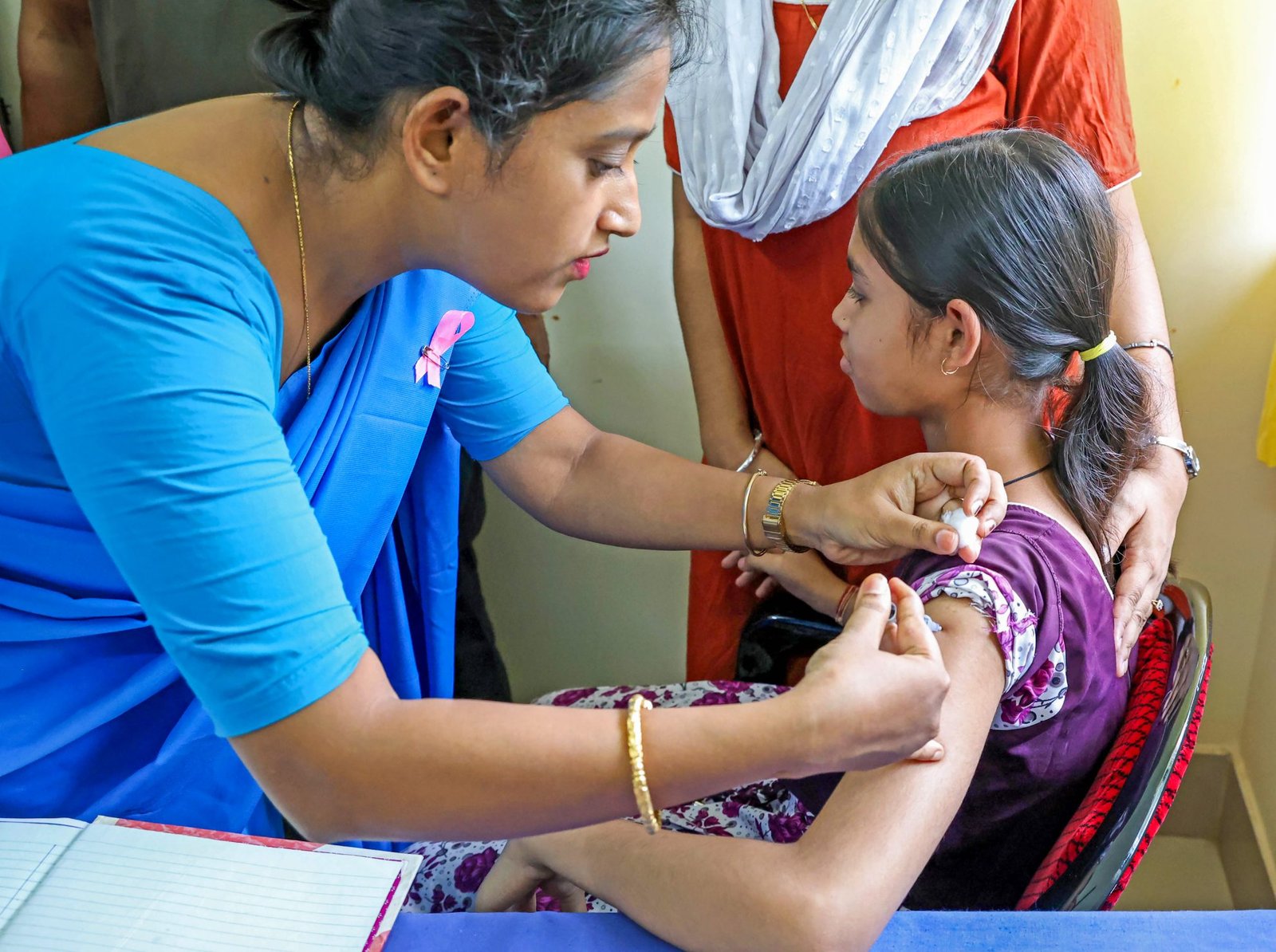
Measles is among the world's most contagious infectious diseases, but it is also vaccine-preventable. The US Centers for Disease Control and Prevention says two doses of the measles, mumps and rubella — MMR — vaccine provide the best protection against the disease.
The Pennsylvania Department of Health similarly says vaccination remains the strongest protection and reports approximately 97% lifetime protection after two doses.
The resurgence has renewed attention on vaccination coverage, outbreak surveillance and the ability of public-health authorities to identify infections before they spread into additional communities.
Why Measles Matters
Measles is not simply a childhood rash.
Infections can lead to pneumonia, neurological complications and, in some circumstances, death. Because the virus is exceptionally contagious, outbreaks can spread quickly when they enter populations containing significant numbers of susceptible people.
Pennsylvania's experience illustrates a broader public-health lesson: diseases brought under control through vaccination can return when sufficient gaps in population immunity develop.
MPOX | GLOBAL HEALTH
WHO Moves to Build Global Mpox Vaccine Stockpile for Future Outbreaks
International health authorities are trying to ensure countries can obtain vaccines faster when new outbreaks emerge.
GENEVA | AALIMI NATION HEALTH DESK
The World Health Organization and international partners are developing a global mechanism intended to improve access to mpox vaccines and essential supplies during outbreaks.
The International Coordinating Group mechanism for mpox is designed to provide timely, equitable and sustainable access to vaccines while strengthening procedures for an international emergency vaccine stockpile.
The initiative addresses one of the recurring weaknesses exposed by international disease emergencies: medical products may exist, but countries facing outbreaks do not necessarily receive them at the same speed.
WHO says mpox vaccination is particularly recommended for people at risk of infection during outbreaks, subject to national health policies and individual circumstances.
The stockpile mechanism therefore represents more than simply storing vaccine doses. It is intended to create a coordinated system through which vaccines and related supplies can reach affected countries when they are urgently required.
The strategy reflects an important lesson from COVID-19 and subsequent international health emergencies: scientific discovery and equitable access are separate challenges, and solving one does not automatically solve the other.
PANDEMIC PREPAREDNESS
Five Years After COVID-19, World Tries to Build Stronger Defences Against the Next Pandemic
Governments are attempting to translate the lessons of COVID-19 into stronger surveillance, international cooperation and more equitable access to lifesaving medical products.
GENEVA | AALIMI NATION HEALTH DESK
The international architecture for pandemic preparedness is undergoing significant change as governments seek to strengthen their collective response to future global health emergencies.
A major milestone came on May 20, 2025, when the World Health Assembly adopted the WHO Pandemic Agreement following several years of negotiations.
The agreement emerged directly from weaknesses exposed during the COVID-19 pandemic, including unequal access to vaccines and medical products, gaps in surveillance and difficulties coordinating international responses.
Work did not end with adoption of the agreement.
WHO member states have continued negotiations on the Pathogen Access and Benefit Sharing system, commonly known as PABS, which concerns the sharing of pathogen materials and sequence information and the distribution of resulting benefits such as vaccines, diagnostics and treatments. Negotiations were continuing in September 2026.
The larger challenge is turning diplomatic agreements into functioning systems before another major health emergency occurs.
The world cannot know precisely which pathogen will cause the next pandemic, where it will emerge or when it will appear.
What governments can determine is how quickly it will be detected, how rapidly scientists can investigate it, how efficiently countries exchange information and how fairly vaccines, diagnostics and treatments are distributed.
That is increasingly becoming the real measure of global pandemic preparedness.
AVIAN FLU | ZOONOTIC DISEASE
WHO Keeps Watch on Bird Flu as Animal Viruses Continue to Pose Human Health Risk
Human infections remain relatively uncommon, but the continued circulation of influenza viruses in animals keeps global health authorities on alert.
GENEVA | AALIMI NATION HEALTH DESK
International health authorities continue to monitor avian and other zoonotic influenza viruses because of their ability, under certain circumstances, to cross the species barrier and infect humans.
Influenza A viruses circulating in birds can occasionally infect people, particularly after direct exposure to infected poultry, animals or contaminated environments.
WHO says avian influenza viruses currently do not transmit easily from person to person, but their continued circulation remains a public-health concern because influenza viruses evolve and can acquire new characteristics.
This is why isolated human infections attract significant scientific attention even when they do not lead to sustained transmission.
The central concern is not that every human H5N1 or related infection represents the beginning of a pandemic. Rather, every infection gives an animal influenza virus another opportunity to interact with the human biological environment.
Scientists therefore monitor genetic changes in viruses, animal outbreaks, occupational exposure, unusual clusters of human respiratory illness and evidence of possible person-to-person transmission.
The One Health Challenge
Avian influenza also demonstrates why modern disease surveillance increasingly follows the One Health approach.
Human health cannot always be separated from animal health and environmental conditions.
A virus circulating extensively among birds or mammals may primarily be an agricultural or veterinary problem today but could become a human-health problem if its biological characteristics change.
Continuous surveillance therefore provides an early-warning system.
The reassuring factor at present is that WHO says avian influenza viruses do not currently transmit easily between people.
But the continuing presence of potentially zoonotic influenza viruses in animal populations means complacency would be premature.
AALIMI NATION | THE BIG PICTURE
The Next Global Health Crisis May Begin Long Before the World Notices
The biggest lesson emerging from today's international health landscape is that global health security is no longer defined by one disease.
Ebola in Central Africa, the resurgence of measles, continuing mpox transmission, zoonotic influenza surveillance and shortages in the global health workforce may appear to be separate stories.
In reality, they expose different parts of the same vulnerability.
A hospital without enough doctors cannot respond effectively to an epidemic. A vaccine that cannot reach affected communities cannot stop transmission. A surveillance system that identifies an emerging virus too late gives that virus time to spread. And international agreements have limited value unless countries can translate them into operational capacity.
The next major global health emergency may therefore be determined not only by the pathogen itself, but by how prepared health systems are when it arrives.
For governments, the priority is increasingly clear: preparedness must begin before the emergency.
— AALIMI NATION HEALTH DESK