GENEVA, November 4 (Aalimi Nation) – Sixty-three countries had eliminated at least one neglected tropical disease by June 2026, up from 42 at the end of 2020, the World Health Organization said on Wednesday as it released a mid-term evaluation of its global plan against the group of illnesses. The agency also warned that the gains are uneven and could be lost without sustained funding.
The Global Report on Neglected Tropical Diseases 2026 reviews implementation of the 2021–2030 road map. According to the WHO, the number of people needing interventions against these diseases fell to 1.41 billion in 2024, which is 36 per cent lower than in 2010 and 19 per cent lower than in 2020.
Cases of sleeping sickness have fallen by 98 per cent since 1999, the agency said. Guinea worm disease reached a record low of 10 human cases in 2025. The report also notes that Togo became the first country to eliminate four of these diseases. The number of countries adopting the WHO-recommended strategy for skin-related neglected tropical diseases has already passed the target set for 2030.
WHO Director-General Dr Tedros Adhanom Ghebreyesus described the work as a major achievement. "Elimination of neglected tropical diseases is one of the standout success stories of global health," he said, while cautioning that "the hard-won gains we have made could easily be lost."
The evaluation is less encouraging on other fronts. Only three disease-specific indicators had reached their 2025 milestones, the WHO said. Those were development of a chikungunya vaccine, lower fatality rates among dengue patients, and the availability of WHO-recommended antivenoms for snakebite.
Dengue cases reached a record 15.1 million in 2024, and deaths from vector-borne neglected tropical diseases have risen, according to the report. Efforts to eradicate yaws are off track.
Money is the central constraint. The WHO said a small number of donors provided nearly 80 per cent of international development assistance for these diseases between 2018 and 2024, and that overall resources remain 30 per cent below pre-pandemic levels. The report also points to conflict, displacement, climate-driven spread of mosquito-borne disease and extreme weather as obstacles. Many interventions are still absent from national health systems and universal health coverage packages, and weak surveillance, supply-chain problems and a loss of specialist expertise add to the strain, the evaluation found.
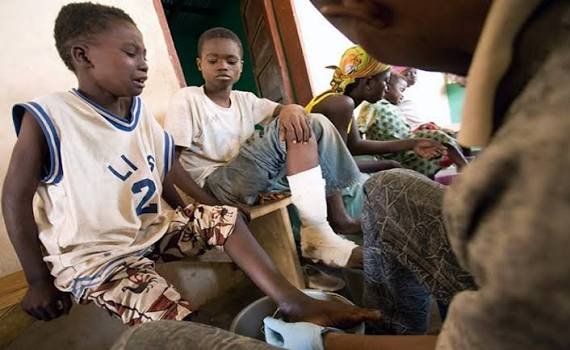
Neglected tropical diseases affect mainly poor and marginalised communities in tropical regions. The 2021–2030 road map set goals that include a 90 per cent cut in the number of people needing treatment and elimination of at least one such disease in 100 countries. The evaluation says progress is on course for some targets but insufficient for most others.
The WHO called on affected countries to raise domestic financing and fold neglected tropical disease services into universal health coverage. It urged donors to broaden their support across the full range of interventions, and asked recipient countries to diversify their funding sources to reduce dependence on a few donors.
The road map runs to 2030, and the WHO's message is that the remaining years will depend on whether governments and donors close the funding gap.