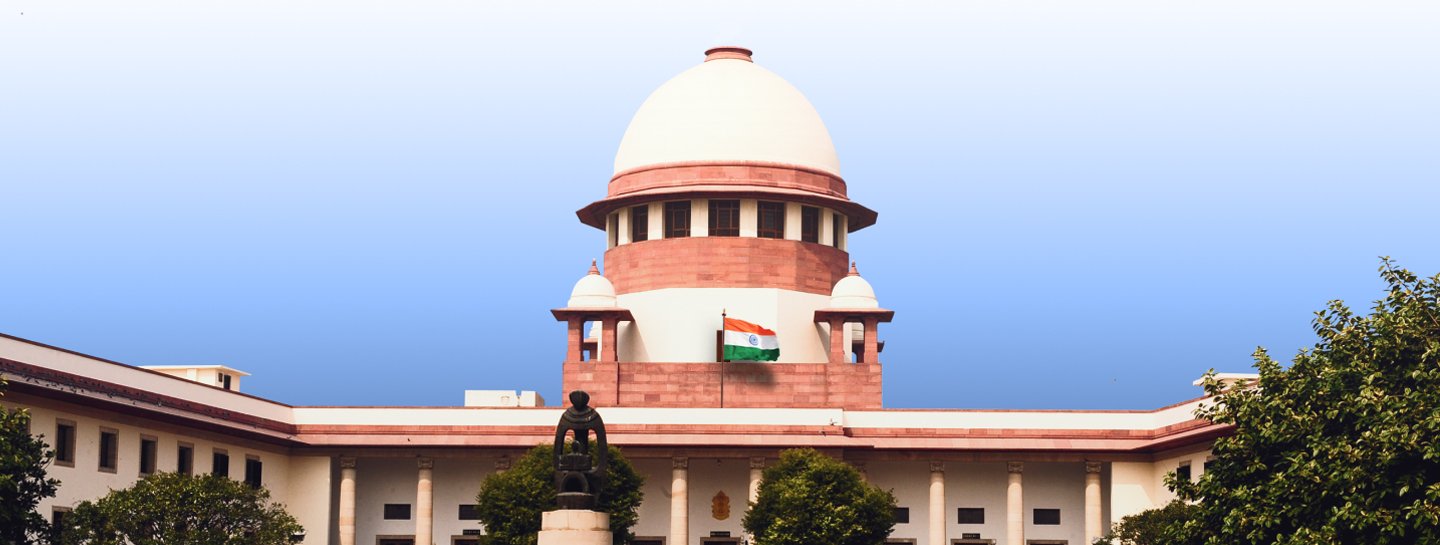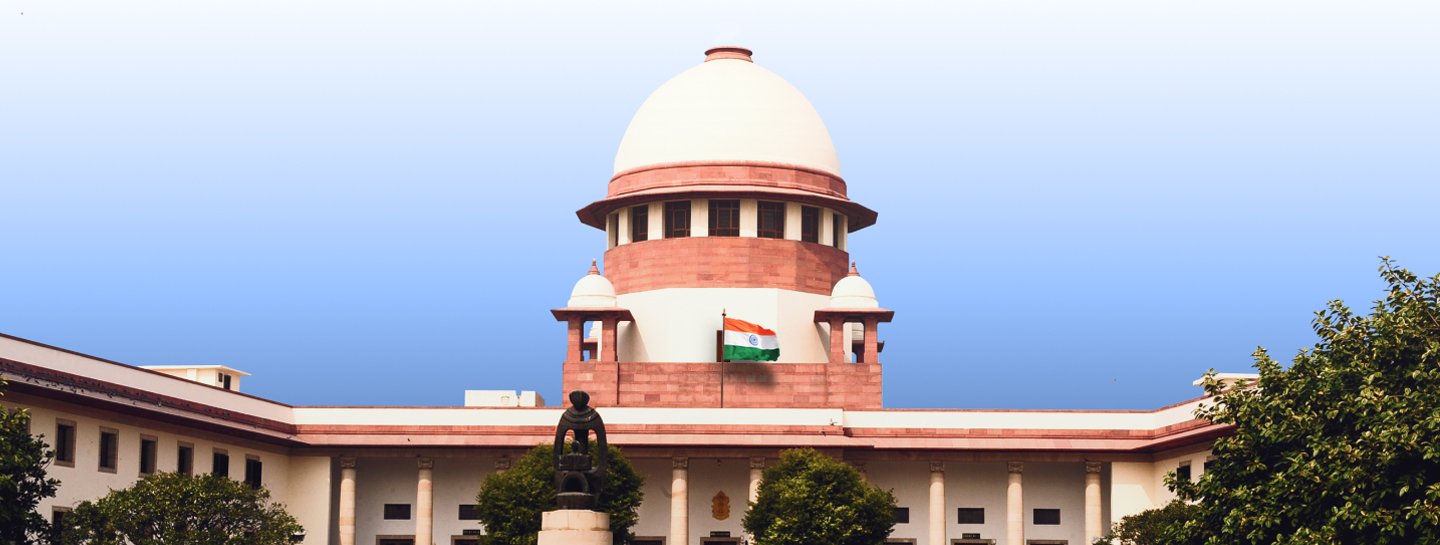
NEW DELHI, November 16 (Aalimi Nation) – The Supreme Court on Monday held that no voter or candidate has a vested right to have a particular constituency reserved, dismissing a challenge to a Maharashtra rule on the rotation of seats set aside for Scheduled Castes and Scheduled Tribes in local body elections.
The bench of Chief Justice Surya Kant and Justices Joymalya Bagchi and V Mohana upheld Rule 12 of the Maharashtra Zilla Parishads and Panchayat Samitis (Manner and Rotation of Reservation of Seats) Rules, 2025.
What Rule 12 provides
Rule 12 treats the first general election held after the 2025 amendment as the starting point for rotating reserved seats. The 2025 rules replaced the earlier rules of 1996.
The petitioner argued that the provision disrupted the existing rotation cycle and could prevent candidates from contesting seats that would otherwise have been reserved for them. Counsel also argued that repeatedly resetting the reference point could leave constituencies with a smaller SC/ST population permanently outside the reservation framework, and that the rule violated the right to equality under Article 14 of the Constitution.
The Bombay High Court's Nagpur Bench had dismissed the challenge to the rule in September 2025, which led to the appeal before the Supreme Court.
The reserved constituency ruling
The Supreme Court rejected the argument that the rule makes the concept of rotation illusory. According to the order, the court said that "no voter or candidate can have a vested right to have a particular constituency reserved."
The bench said it found "no reason to hold that the said rule runs counter to either the concept of reservation or rotation of seats."
Justice Bagchi observed that the law requires reservation to be proportionate to the SC/ST population and requires seats to be rotated in descending order of that population. The manner and timing of the rotation, however, fall within the discretion of the government. The court said the law guarantees proportionate reservation and rotation, but it does not guarantee that any specific seat will be reserved.
The court also clarified that its ruling concerns elections to zilla parishads and panchayat samitis in Maharashtra.
Related ruling earlier this month
The decision follows another ruling on November 4, in which the Supreme Court dismissed a petition questioning the continued reservation of certain assembly constituencies for SC/ST candidates without rotation over several decades.
Together, the two decisions reflect the court's reading that the Constitution and the governing statutes fix the proportion of seats reserved for these communities, rather than the identity of particular seats. The petitioners in the Maharashtra case had warned that smaller constituencies could remain outside the reservation framework indefinitely, a concern the order does not address in broader terms.
What happens next
With the challenge dismissed, rotation of reserved seats in Maharashtra's zilla parishad and panchayat samiti elections will proceed under Rule 12 as framed. The ruling is likely to be cited in other disputes over how and when state governments rotate reserved constituencies, since it affirms that the timing and method of rotation rest with the executive so long as proportionality is maintained.