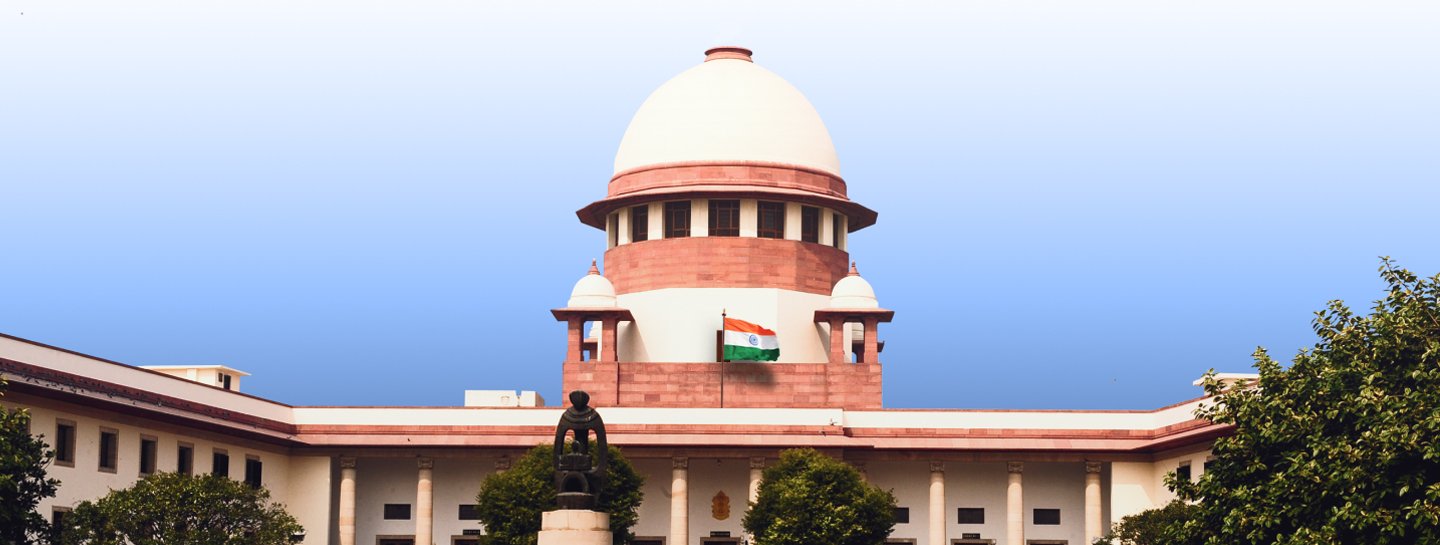
NEW DELHI, November 21 (Aalimi Nation) – The Supreme Court on Friday declined to list urgently an application seeking recall of the order that sent challenges to the 2023 law on appointing the Chief Election Commissioner and Election Commissioners to a Constitution Bench, and said the objections can be raised before that larger bench.
What happened in court
A bench of Chief Justice of India Surya Kant and Justices Joymalya Bagchi and V Mohana heard advocate Prashant Bhushan mention the matter. Mr Bhushan asked that the recall application be placed before Justices Dipankar Datta and Satish Chandra Sharma, who passed the reference order, noting that Justice Sharma retires at the end of next week. He asked for it to be listed the following week.
The Chief Justice declined. He said the applicant could raise the validity of the reference before the five-judge Constitution Bench that has already been constituted. "If Justice Sharma had not dissented in this case, then it would not have been referred to the Constitution Bench," the Chief Justice observed. He also indicated that the Constitution Bench could take up the recall application even after Justice Sharma retires.
The conflict-of-interest claim
The recall plea argues that Justice Sharma should not have sat on the case because his son appears as standing counsel for the Election Commission of India before the Madhya Pradesh High Court. A curative petition raising a similar contention is also pending.
The 2023 law
The petitions challenge Sections 7 and 8 of the Chief Election Commissioner and Other Election Commissioners (Appointment, Conditions of Service and Term of Office) Act, 2023. Under Section 7, the President appoints the Chief Election Commissioner and Election Commissioners on the recommendation of a selection committee made up of the Prime Minister, the Leader of Opposition in the Lok Sabha and a Union Cabinet Minister nominated by the Prime Minister.
Petitioners argue that the law, by leaving the Chief Justice of India out of the panel, weakens the independence of the poll body, given the constitutional requirement that it ensure free and fair elections. The government objected during hearings that a two-judge bench could not hear the matter, citing Article 145(3) of the Constitution and the Supreme Court Rules.
The split verdict
Justices Datta and Sharma heard the petitions on merits on several dates between May and July 2026. On September 23, they differed on whether the matter needed a larger bench. Justice Datta held that no constitutional bar or precedent prevented a two-judge bench from deciding the petitions and rejected a reference, reasoning that the challenge could be decided on settled principles.
Justice Sharma held that the petitions deserved a Constitution Bench. He said the question whether Parliament could exclude a neutral selector from the appointment committee was raised for the first time and could not be finally decided by two judges. "With utmost humility, I am unable to persuade myself to accept all the observations made," he wrote. Both judges signed a common order sending the papers to the Chief Justice, who then constituted the five-judge bench.
The recall application, any challenge to the reference order and the main petitions will now go before the Constitution Bench. No hearing date has been reported.