NEW DELHI, November 19 (Aalimi Nation) – The Congress on Wednesday asked Prime Minister Narendra Modi to release a white paper on inflation and spell out relief measures for poor and middle-class families, after October price data showed retail inflation above the Reserve Bank of India's upper tolerance level.
Congress general secretary and Rajya Sabha member Jairam Ramesh made the demand in a statement and a post on social media. His call for an inflation white paper came days after the October figures were released.
Inflation figures cited by Ramesh
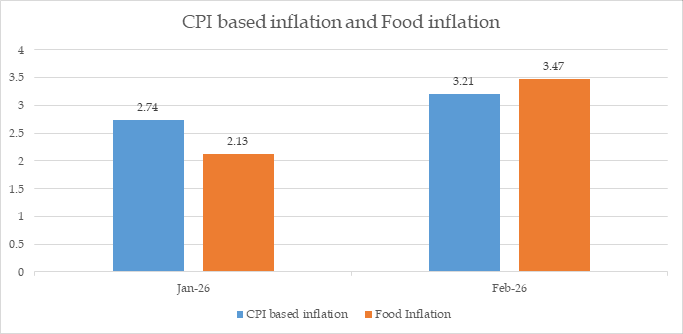
Ramesh said retail inflation stood at 6.09% in October and food inflation at 8.94%. He added that wholesale inflation was 12.29%. Retail inflation of 6.09% is above the 6% upper limit of the band the central bank works within, and Ramesh said it was the first time the current consumer price index series had crossed that ceiling.
The Congress leader pointed to rising prices of milk, ghee, cooking oil and other essentials. He also cited reports that mobile phones, televisions, biscuits and salt had become more expensive.
He further cited a survey which, he said, found that monthly spending rose by more than 20% for 61% of households. The survey's source and sample size were not identified in the statement, and the figure could not be independently verified.
"Double burden" of prices and EMIs
Ramesh asked the government to explain how long poor and middle-class families would have to bear what he described as the double burden of inflation and rising equated monthly instalments on loans. He said the government owed the public a clear plan on how it intended to bring prices under control.
The party framed the demand around a slogan that Ramesh and other leaders have used, "Bahut hui mehngai ki maar, ab jawab de Modi Sarkar", which translates roughly as "enough of the blows of price rise, now the Modi government must answer".
Context: the inflation band
India's retail inflation is measured through the consumer price index, and the RBI is tasked with keeping it within a tolerance band, with 6% as the upper limit. A reading above that level does not by itself require a specific policy response, but it is closely watched because it affects household budgets, borrowing costs and the central bank's decisions on interest rates.
Wholesale inflation measures price changes at the level of producers and traders, and it can feed into retail prices with a lag. Food prices carry a large weight in the retail index, which is why the 8.94% food figure has drawn particular attention.
What the government has said
No response from the government to Ramesh's demand was available at the time of writing.
The demand comes ahead of the winter session of Parliament, whose dates have not been formally announced. A session would offer the Opposition a forum to press the government on prices, while the government is expected to respond to any such challenge with its own data on growth and household incomes.