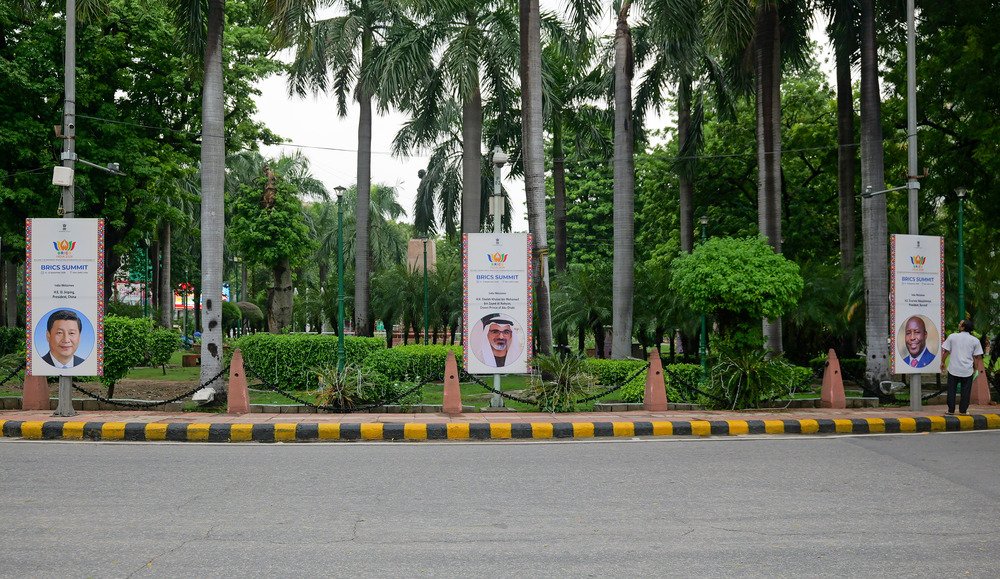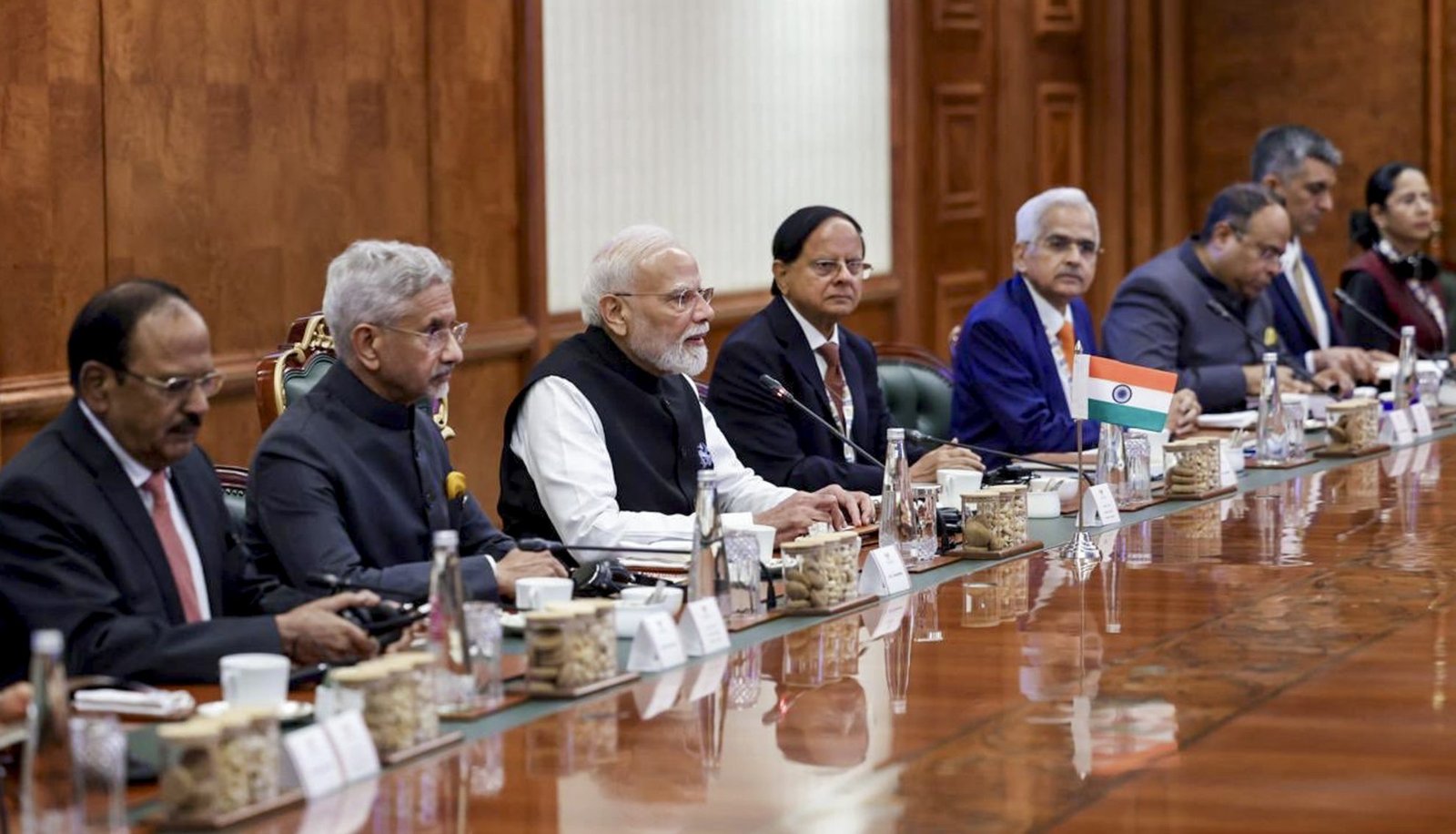

NEW DELHI: BRICS leaders have issued a strong collective condemnation of the April 22, 2025 terrorist attack in Pahalgam, Jammu and Kashmir, describing it in the strongest terms in the New Delhi Declaration adopted at the 18th BRICS Summit.
Tariq Bhat
The consensus statement, which records that 26 people were killed and many others injured, marks a significant diplomatic development for India as it continues to press for stronger international cooperation against terrorism and the networks that support it.
A significant diplomatic message for India
The inclusion of the Pahalgam attack in the joint BRICS declaration is particularly significant because the statement was adopted by consensus among a grouping that includes major global powers such as China and Russia, alongside other influential emerging economies.
Rather than singling out an individual country, the declaration focuses on the wider architecture of terrorism, calling for stronger action against terrorist networks, cross-border movement of terrorists, terrorist financing and safe havens.
BRICS leaders also called for individuals and entities involved in terrorism, including those supporting terrorist activities, to be held accountable and brought to justice in accordance with national and international law.
The declaration reiterates a firm “zero tolerance for terrorism” position and rejects what BRICS describes as double standards in international efforts to combat terrorism.
The leaders stressed that terrorism cannot be justified or associated with any particular religion, nationality, civilisation or ethnic group.
They also reaffirmed that states have the primary responsibility for preventing and combating terrorism, while emphasising that international counter-terrorism measures must remain consistent with the UN Charter and international law.
Despite the diplomatic importance of the reference to Pahalgam, the declaration does not name Pakistan or explicitly attribute responsibility for the attack to Islamabad.
It also does not endorse India's subsequent military response.
The significance of the declaration therefore lies primarily in the fact that BRICS members have collectively condemned the Pahalgam attack while simultaneously calling for action against the broader infrastructure that enables terrorism—including financing, safe havens and cross-border terrorist activity.
Second consecutive BRICS condemnation
The latest statement also carries added significance because the Pahalgam attack has now been referenced in two consecutive BRICS summit declarations.
The grouping had included a condemnation of the attack in its 2025 Rio de Janeiro Declaration, making the New Delhi Declaration another formal multilateral acknowledgment of the incident.
BRICS leaders also welcomed the work of the BRICS Counter-Terrorism Working Group and its specialised subgroups, calling for greater cooperation among member states.
The declaration further urged concerted international action against terrorist organisations designated by the United Nations and supported continued efforts towards a comprehensive UN Convention on International Terrorism.
Why the declaration matters
For New Delhi, the statement provides an important diplomatic platform at a time when India has sought to keep terrorism, particularly its cross-border dimensions, at the centre of international discussions.
The declaration does not amount to a direct BRICS endorsement of India's wider position on the Pahalgam attack or its subsequent military actions. However, the repeated inclusion of the attack in BRICS consensus documents demonstrates that the incident has secured continued attention within one of the world's most prominent multilateral groupings.
The broader message is clear: terrorism cannot be addressed selectively, and international cooperation must extend beyond condemning attacks to tackling the networks, financing channels and safe havens that allow terrorist organisations to operate.
For India, that provides a fresh diplomatic argument for a unified international response to terrorism and its cross-border dimensions.
Key Points
Pahalgam attack condemned: BRICS leaders strongly condemned the April 22, 2025 terrorist attack in Jammu and Kashmir.
26 killed: The declaration records that 26 people were killed and many others injured.
Zero tolerance: BRICS reaffirmed its policy of zero tolerance towards terrorism.
Cross-border terrorism: Leaders specifically highlighted the need to address the cross-border movement of terrorists.
Terror financing: The declaration called for stronger action against terrorist financing.
Safe havens: BRICS stressed the need to eliminate terrorist safe havens.
Accountability: Those involved in terrorism or supporting terrorist activities should be brought to justice.
No religious or ethnic association: Terrorism must not be linked to any religion, nationality, civilisation or ethnic group.
Pakistan not named: The declaration does not explicitly name Pakistan or assign responsibility to Islamabad.
No endorsement of military action: The statement does not endorse India's subsequent military response.
Second consecutive reference: The Pahalgam attack has been mentioned in two consecutive BRICS summit declarations.
Counter-terrorism cooperation: BRICS backed deeper cooperation through its Counter-Terrorism Working Group and specialised subgroups.
UN framework: Leaders called for progress towards a comprehensive UN Convention on International Terrorism.