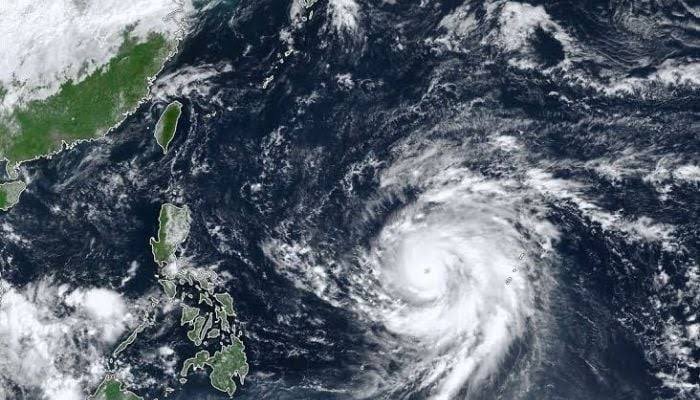
NEW DELHI, October 29 (Aalimi Nation) – Cyclone Arnab weakened rapidly after crossing the Andhra Pradesh coast on Wednesday, but officials say at least three people have died, hundreds of houses were destroyed and more than 180,000 people were moved to safety across Andhra Pradesh and Odisha.
The India Meteorological Department (IMD) classified Arnab as a very severe cyclonic storm, the third-highest category on its scale. It said the system crossed the coast about 20 km east-northeast of Narsapur, roughly 40 km southwest of Yanam and 60 km southwest of Kakinada, with sustained winds of 125 to 135 km/h and gusts up to 150 km/h. In its words, "The landfall process was completed as the weather system moved entirely over land."
Cyclone Arnab deaths and damage
National Disaster Response Force official Narendra Singh Bundela said "three people have lost their lives" and that Andhra Pradesh was the worst affected. Early reports had spoken of no loss of life, and details of the third death were not immediately available.
Two of the deaths were caused by electrocution in separate incidents, according to reports from the state. A man died on Tuesday night after touching a live wire that had snapped over an agricultural channel. A woman died on Wednesday morning after stepping on an exposed live wire outside her home in Yellamanchili in Anakapalli district.
Andhra Pradesh Chief Minister N. Chandrababu Naidu wrote to Union Home Minister Amit Shah that the storm had destroyed at least 180 houses and brought down 220 trees. Strong winds uprooted electric poles, disrupted power in several areas and flooded low-lying localities, and heavy rain fell in Anakapalli, Visakhapatnam, Kakinada and Konaseema districts.
Evacuations and disruption
Officials said more than 180,000 people were evacuated from Andhra Pradesh and Odisha in all. Figures for individual states varied between accounts. In Andhra Pradesh, authorities said nearly 57,000 people were shifted to relief camps and at least 609 schools were turned into rehabilitation centres. Odisha moved residents of low-lying and landslide-prone areas in its southern districts and kept 2,037 cyclone shelters ready with food and drinking water.
Schools and anganwadi centres in 16 of Odisha's 30 districts were closed for the day. Bundela said Odisha was less badly affected than Andhra Pradesh.
India's civil aviation ministry said operations at three airports in Andhra Pradesh were suspended, and some train and flight services were cancelled. Fallen trees blocked roads and highways in several places.
A Kakinada district resident, Nagi, said: "Trees have fallen, houses have been damaged, and all our belongings, including our books, have been destroyed."
Winds were expected to ease as the system moved inland, though some neighbouring states could see heavy rain. It forecast a storm surge of 1 to 1.5 metres above the normal tide in low-lying parts of Andhra Pradesh, and expected losses to crops, thatched houses and communication lines. Fishermen were advised not to venture into the sea.
The final death toll and the extent of crop loss are yet to be confirmed, and figures may change as assessments are completed.
The 1999 super cyclone killed nearly 10,000 people in Odisha, and the early warning systems and shelter networks built since then have helped reduce loss of life in later cyclones.