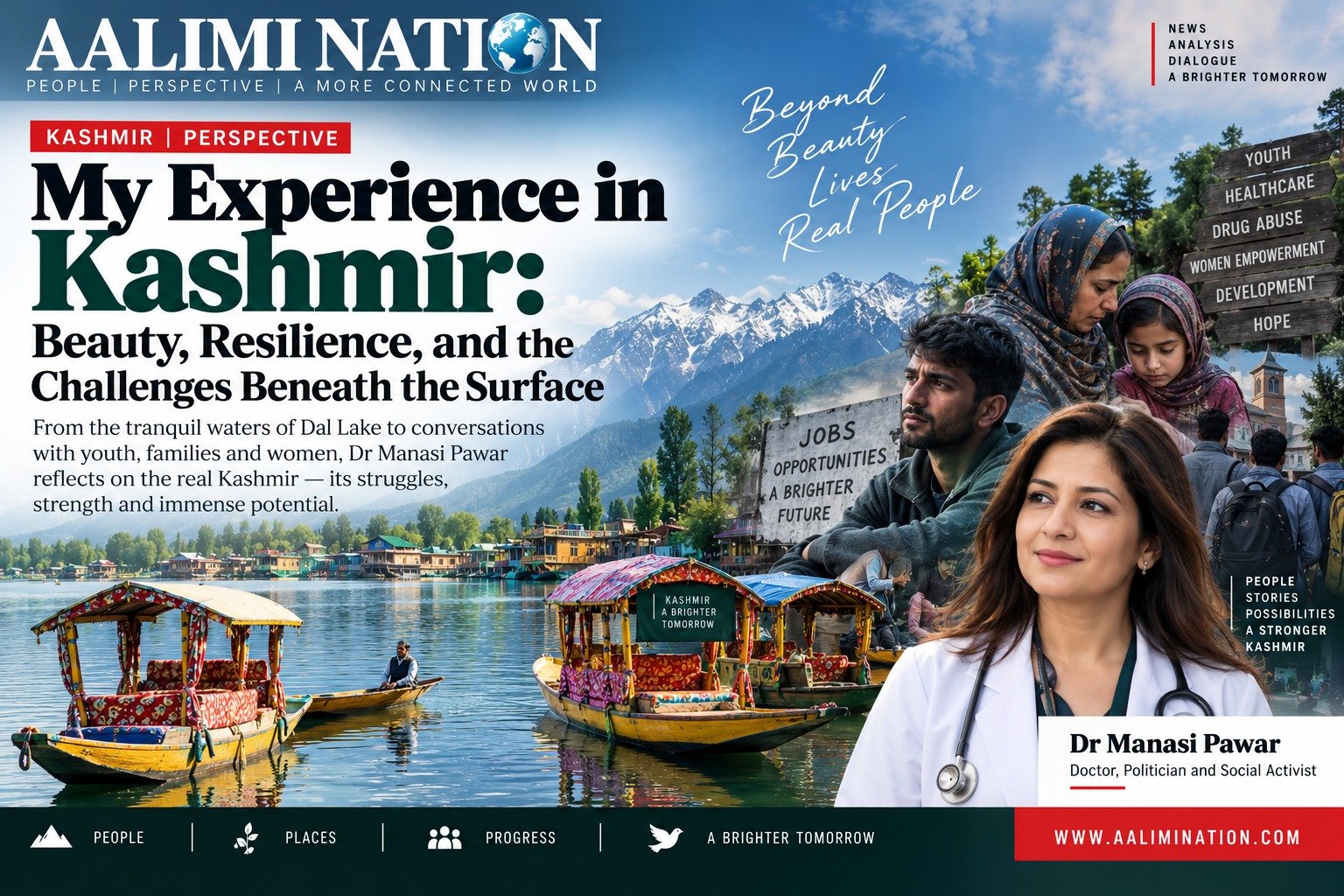
My Experience in Kashmir: Beauty, Resilience, and the Challenges Beneath the Surface
Dr Manasi Pawar
Doctor, Politician and Social Activist
Kashmir has often been described as paradise on earth. Yet, beyond its breathtaking landscapes lies a complex reality that deserves attention, empathy and action. My recent visit to the Valley was not merely a political or administrative engagement; it was an opportunity to listen, observe and understand the aspirations and struggles of the people who call this beautiful land home.
One of the most memorable moments of my visit was a survey tour inside Dal Lake. As our boat glided through its calm waters, surrounded by the majestic Zabarwan mountains, I was struck by the sheer beauty of the landscape. The fresh, soothing air, the reflections of snow-capped peaks on the lake, and the timeless charm of the shikaras created a scene that seemed untouched by the troubles of the modern world.
Yet, as I interacted with local residents, particularly the youth, I realised that beneath this beauty lay a deep sense of grief and uncertainty. Many youth, despite being educated and qualified, are struggling to find meaningful employment opportunities. Their degrees and qualifications often fail to translate into jobs, leaving them frustrated and disillusioned. The Valley's youth possess immense talent, intelligence and ambition, but a lack of adequate economic opportunities has prevented them from realising their full potential.
As a doctor, I have witnessed how unemployment is not merely an economic issue; it is also a public health concern. Prolonged joblessness often leads to anxiety, depression and a loss of self-worth. During my interactions, several families expressed concern about the growing mental health crisis among young people. The feeling of being trapped in uncertainty has created emotional distress that is becoming increasingly difficult to ignore.
Even more alarming is the rise in drug abuse among sections of the youth. Many local residents, community leaders and parents spoke about the devastating impact of narcotics on families and communities. There is a widespread belief that drugs are being pushed into the Valley through networks that seek to weaken and destabilise society. Pakistan-sponsored efforts to fuel instability have long been a concern, and many security agencies have repeatedly highlighted attempts to use narcotics as a tool to damage the social fabric of Kashmir. Regardless of the source, the consequences are tragic. Addiction is robbing young people of their futures, destroying families and placing an enormous burden on society.
Addressing this challenge requires more than law enforcement alone. It demands a comprehensive strategy involving employment generation, skill development, mental health support, awareness campaigns and community participation. Young people need hope, opportunity and a sense of purpose. When productive avenues are unavailable, destructive influences often find fertile ground.
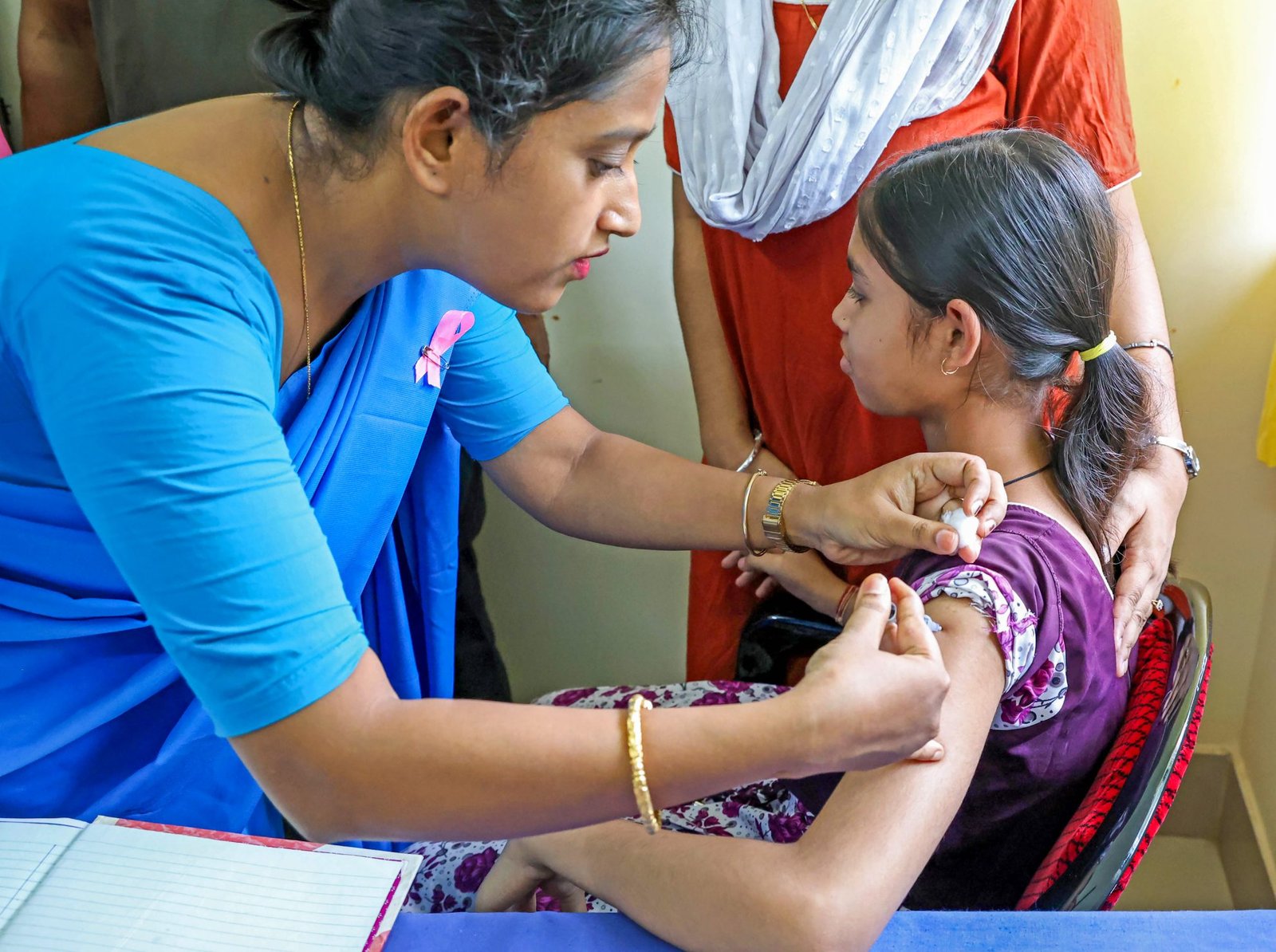
My interactions in the Valley also highlighted the unique challenges faced by women and girls. As a healthcare professional, I was deeply concerned by the gaps in healthcare infrastructure and health education in several areas. While progress has undoubtedly been made in recent years, many women continue to face barriers in accessing timely medical care, specialised treatment and reproductive health services.
The lack of adequate facilities, limited resources and insufficient health awareness are contributing to a range of health problems among women. Young girls often face reproductive and maternal health challenges without access to proper guidance or treatment. In some areas, women are compelled to travel long distances for specialised care, delaying diagnosis and treatment. Issues related to nutrition, anaemia, maternal health and pregnancy complications continue to affect many families.
The situation becomes even more concerning when these healthcare challenges intersect with economic hardship and social stress. Women frequently bear the burden of caring for families affected by unemployment, addiction and financial insecurity. Their resilience is remarkable, but resilience alone cannot substitute for accessible healthcare systems, better education and stronger institutional support.
As a social activist, I believe that empowering women must be at the centre of Kashmir's development agenda. Improved healthcare infrastructure, enhanced awareness programmes, better educational opportunities and targeted support for women's health can transform countless lives. Every young girl in Kashmir deserves access to quality healthcare, every expectant mother deserves safe medical care, and every woman deserves the opportunity to live a healthy and dignified life.
Despite these challenges, what impressed me most about Kashmir was the resilience of its people. Everywhere I travelled, I encountered individuals who remained hopeful despite adversity. Young entrepreneurs were trying to create opportunities for themselves. Teachers continued to inspire their students. Healthcare workers served their communities with dedication. Mothers and fathers remained committed to building a better future for their children.
Kashmir's story is not merely one of problems; it is also a story of potential. The Valley possesses extraordinary human capital, natural beauty and cultural richness. With focused investments in education, healthcare, tourism, entrepreneurship and employment generation, it can emerge as a model of inclusive development.
As I left Dal Lake that evening, the image of the tranquil waters against the backdrop of the Zabarwan mountains remained etched in my memory. But so did the voices of the unemployed youth, the concerns of worried parents and the struggles of women seeking better healthcare. The true beauty of Kashmir lies not only in its landscapes but in its people. Their aspirations deserve to be heard, their challenges deserve to be addressed and their future deserves to be secured.
The responsibility to achieve this rests not only with governments but with society as a whole. A prosperous, healthy and empowered Kashmir will not merely benefit the Valley; it will strengthen the nation. The people of Kashmir have shown extraordinary patience and resilience. It is now our collective duty to ensure that their hopes are matched by opportunities and that the paradise we admire for its beauty also becomes a land known for its progress, dignity and human development.