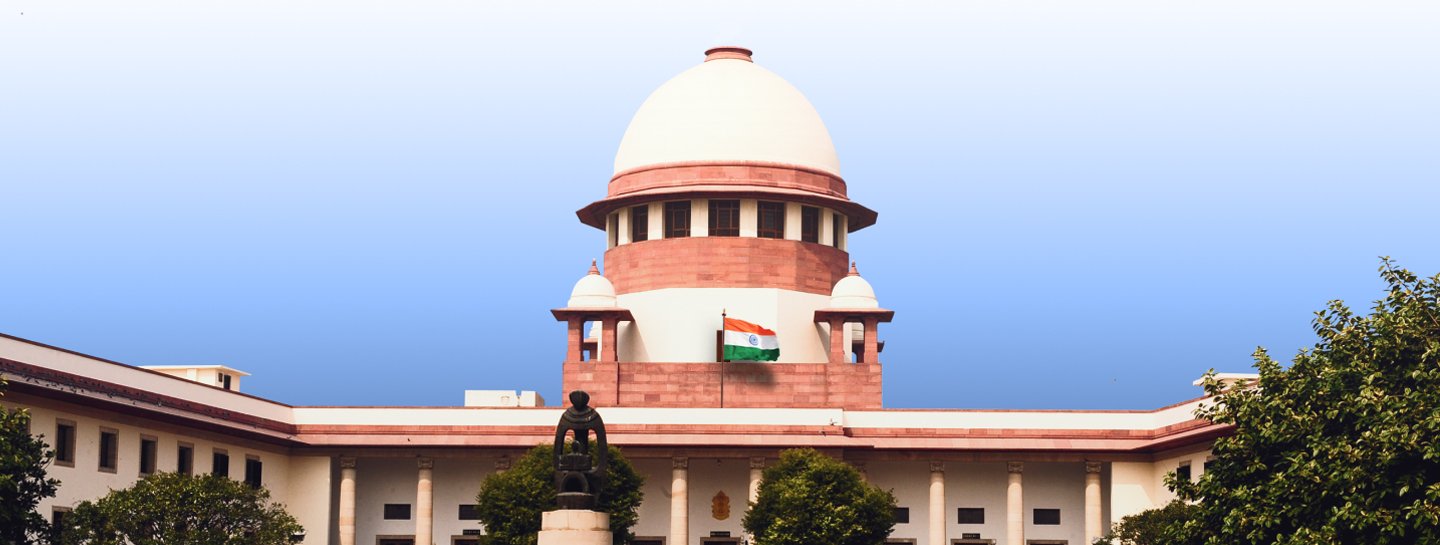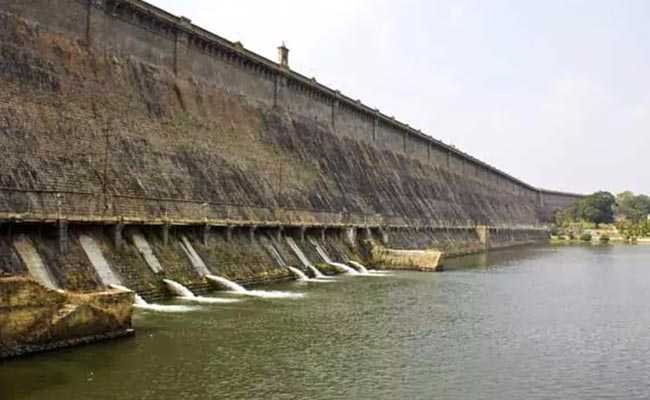
NEW DELHI, November 20 (Aalimi Nation) – The Supreme Court on Friday dismissed two applications by the Tamil Nadu government that sought a direction to Karnataka to release about 11 thousand million cubic feet (TMC) of Cauvery water, which the southern state said was due to it.
A bench of Justices Vikram Nath and Aparesh Kumar Singh pronounced the outcome in court. The reasons were not available at the time of writing, and the detailed order was expected to be uploaded later.
What Tamil Nadu asked for
Tamil Nadu told the court it had a shortfall of about 11.7 TMC at Billigundulu, the inter-State measuring point on the border, up to October 6. One of its applications asked that a backlog of 11 TMC as of October 7 be cleared by ensuring a daily release of 1.3 TMC at that point within 10 days.
The state argued that Karnataka was holding back water despite having sufficient reserves. It said it was seeking its legitimate pro-rata share of flows during a distress period, along with the backlog. The court had reserved its decision on these pleas on October 12.
Karnataka's position
Karnataka denied the allegations and said it was complying with directions issued by the Cauvery Water Management Authority. It also told the court that meeting the demand would be difficult in a rain-deficit year, adding that several areas of the state had been declared drought-affected.
A third application
Tamil Nadu also filed a third application on the day of the hearing, seeking to place additional documents on record. Justice Nath remarked that the state had filed another application that day and said, in a lighter tone, that the court would dismiss the third application as well.
Reports differ on what happened next. One account said the bench indicated the plea would be dismissed, while another said that, on a joint request from counsel for both states, it was listed after one week. The detailed order is expected to clarify the position.
Background to the dispute
The sharing of Cauvery water between the two states traces back to agreements signed in 1892 and 1924 between the then Madras Presidency and the princely state of Mysore. The Cauvery Water Disputes Tribunal gave its award in 2007, which allowed Tamil Nadu a fixed share. Both states later filed review petitions, and the dispute continued.
In 2016, the Supreme Court asked the Centre to constitute a Cauvery Management Board after Tamil Nadu approached it. In 2023, the court declined a plea by Tamil Nadu to raise its daily share from 5,000 cusecs to 7,200 cusecs. A separate dispute between the two states over the Pennaiyar river is also pending before the court.
What is not yet known
The court's reasoning for rejecting the applications has not been made public in the reports available so far. It is not yet clear whether Tamil Nadu will seek any further relief, or how the ruling will affect irrigation supplies in the state during the current distress year. Neither state government had issued a detailed public response at the time of writing.
Neither state government had issued a detailed public response at the time of writing.