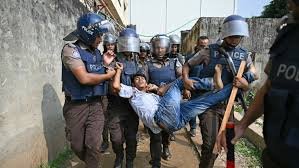
DHAKA, November 17 (Aalimi Nation) – Police fired tear gas and stun grenades at thousands of garment workers on the outskirts of Dhaka on Tuesday, as protests over wages turned violent after a key wage board meeting was postponed.
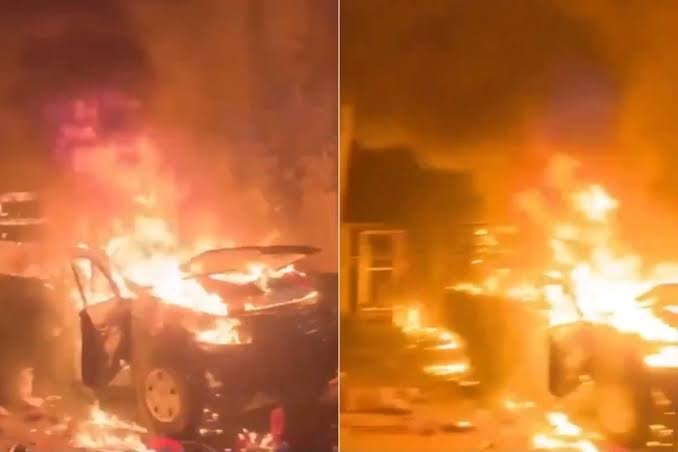
Protesters threw bricks, set vehicles on fire and blocked the main highway linking Dhaka and Mymensingh, according to accounts from the area. Tension was also high in the garment hubs of Savar and Ashulia, with the worst of the clashes reported from Gazipur.
Garment workers' wage protest: what happened
A wage board meeting scheduled for Monday was put off after a worker representative on the panel said he was unwell, according to an industry association source. The next meeting is set for November 23. Workers, who had been agitating over pay since October, then gathered in large numbers on Tuesday.
A worker identified as Rakib, 28, said most factories opened on Tuesday morning but shut again as the protests spread to the highway. "We want to return to our machines," he said. He added: "We are not sure if the wage board members are aware of our demands."
Another worker, 24-year-old Khanom, who gave only one name, said: "The owners seem unwilling to meet our salary demands. They are already dragging their feet."
Demands and the wage board
Workers are asking for a minimum monthly wage of 30,000 taka, about $240. That is roughly 140 per cent higher than the current minimum of 12,500 taka. They say rising food, housing, transport and healthcare costs have made it hard to get by.
The government set up the wage board earlier this month. It includes employer and worker representatives. A new minimum wage is due to be announced in December and to take effect in January 2027.
Industry sources said about 500 of the country's 4,500 garment factories are currently shut. Under a "no work, no pay" provision in labour law, owners can suspend operations and withhold wages when production is disrupted, which workers say adds to their hardship.
The Bangladesh Garment Manufacturers and Exporters Association and the Bangladesh Knitwear Manufacturers and Exporters Association issued a joint statement calling for wage negotiations to resume as soon as possible.
Security response
Border Guard Bangladesh increased patrols across the industrial zone, deploying hundreds of personnel. The force said in a statement that its headquarters "has been closely observing the situation from a monitoring cell", and that it was using drones and body-worn cameras.
Why the garment sector matters
Bangladesh, a country of about 170 million people, is the world's second-biggest garment exporter after China. The industry earns around $38 billion a year and employs more than four million people. The United States is its largest single market, and the European Union its largest trading bloc.
The unrest comes ahead of Christmas, traditionally the busiest period for garment exports. The outcome of the November 23 wage board meeting is expected to be closely watched by workers, factory owners and buyers alike.