WASHINGTON/SANAA — US President Donald Trump has predicted that the war between the United States and Iran will end shortly after the November midterm elections, while claiming that Tehran is “desperate” to reach a deal with Washington.
Speaking during a visit to Ireland, Trump said he expected the conflict to end “right after” the US midterm elections on November 3. He also predicted that oil and gasoline prices would fall sharply once the fighting ends.
Trump has repeatedly suggested that Iran wants negotiations, although Iranian officials have previously rejected similar characterisations of Tehran's position. His latest comments come as the conflict continues to place enormous pressure on global energy markets and shipping routes.
Trump's prediction remains just that — a political forecast rather than an agreed diplomatic timetable. Recent developments indicate that the conflict remains highly volatile, with military confrontation continuing and no publicly confirmed comprehensive settlement between Washington and Tehran.
Oil markets have reflected the growing uncertainty. Brent crude recently rose above $100 a barrel as attacks, shipping disruptions and restrictions around key maritime routes threatened global supplies. Reuters reported that US diesel prices also crossed $6 a gallon for the first time, according to GasBuddy data.
The economic consequences have become increasingly important for the Trump administration ahead of the midterm elections. Rising fuel and transport costs are putting additional pressure on American households, while the war has become a politically sensitive issue for Republicans seeking to defend their congressional majorities.
Yemen opens another front
While Washington and Tehran remain locked in confrontation, the conflict is increasingly spilling into other parts of the Middle East.
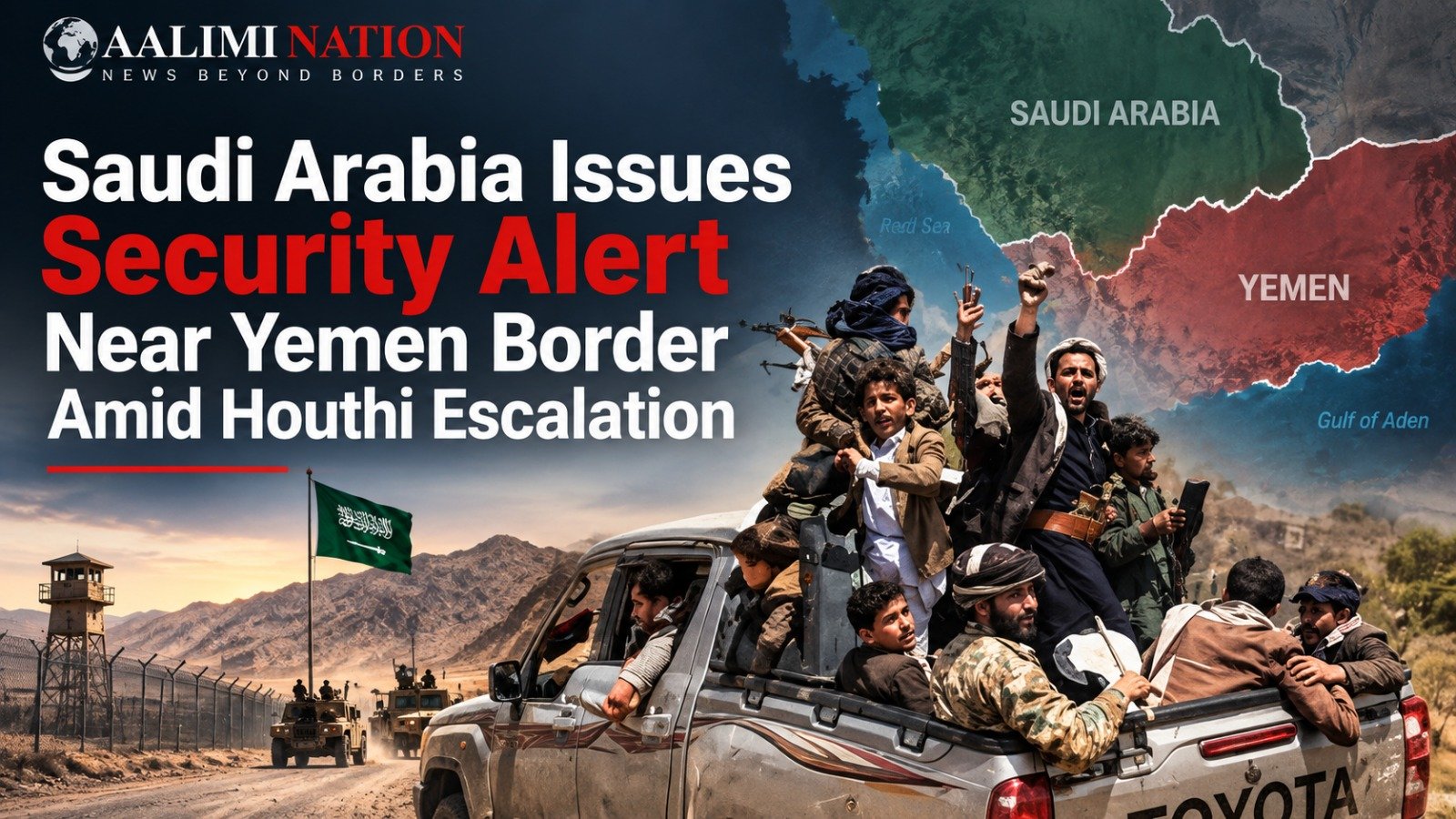
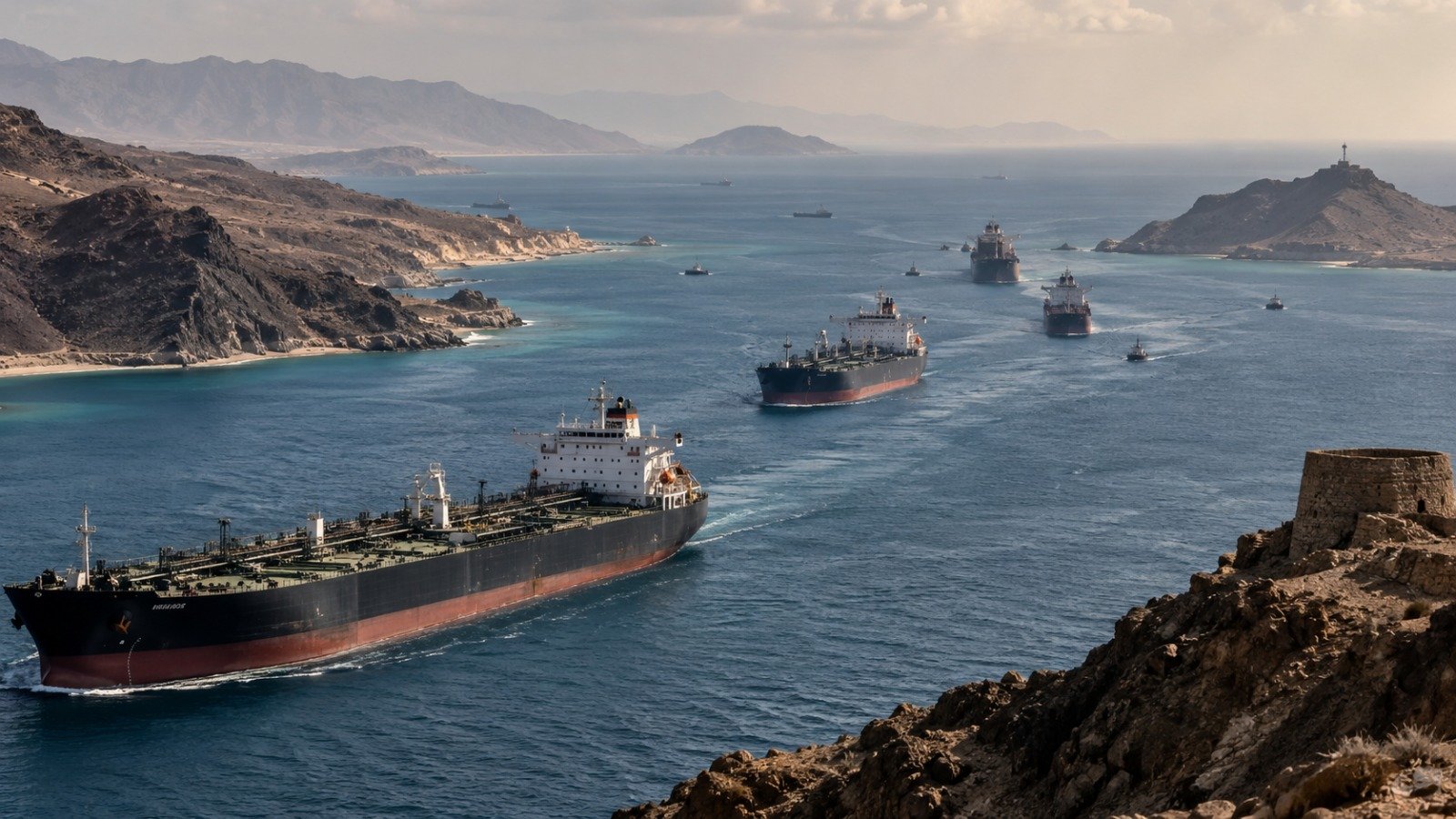
In Yemen, Iran-aligned Houthi forces have made significant gains along the country's Red Sea coast, capturing the strategically important port city of Mokha in Taiz province and advancing towards the Bab el-Mandeb Strait.
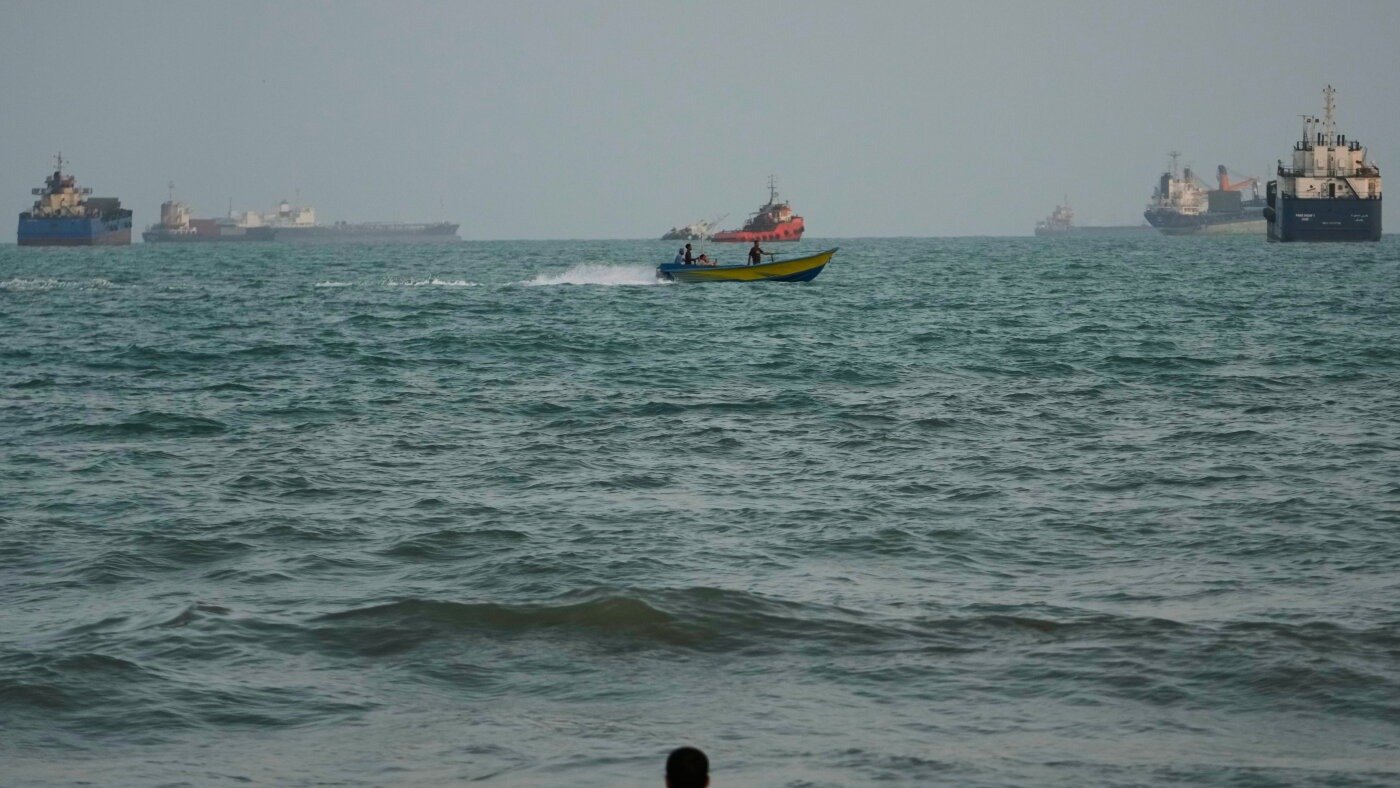
The development is significant because Bab el-Mandeb connects the Red Sea with the Gulf of Aden and is one of the world's most important maritime chokepoints. Any prolonged disruption there could have consequences far beyond Yemen, particularly for energy shipments and international trade.
The Houthis have also moved into strategically important areas around the strait, including Perim Island, according to reports.
The latest Houthi gains represent one of the most significant shifts in Yemen's military balance since the period of relative calm that followed years of Saudi-led intervention. The advances have prompted the internationally recognised Yemeni government and Saudi-backed forces to launch counterattacks along the western coast.
Saudi Arabia has also carried out strikes against Houthi-held positions, including reported attacks around Mokha.
The renewed fighting has already exacted a heavy humanitarian cost, with tens of thousands of Yemenis reportedly displaced by the latest escalation.
Why Saudi Arabia is particularly exposed
The developments in Yemen are of particular strategic importance to Saudi Arabia.
With shipping through the Strait of Hormuz heavily disrupted by the wider Iran conflict, Saudi Arabia has increasingly relied on alternative routes and infrastructure to move crude oil towards international markets.
That makes the Red Sea and Bab el-Mandeb increasingly important.
A prolonged Houthi presence near the strait could threaten commercial shipping and increase security risks around Saudi Arabia's western oil-export routes. It could also force tankers and other vessels to take longer routes, increasing transportation costs and further tightening global supplies.
Recent attacks and disruptions have already pushed oil prices higher. Brent crude rose above $100 a barrel during the week, with Reuters reporting that both major benchmarks were heading for significant weekly gains amid growing concerns over supplies.
From Hormuz to Bab el-Mandeb
The most serious concern for global energy markets is that two major maritime chokepoints could remain under pressure at the same time.
The Strait of Hormuz is critical to the movement of oil from the Persian Gulf, while Bab el-Mandeb serves as the maritime gateway between the Red Sea and the Gulf of Aden.
If instability persists around both routes, the effects could extend well beyond the Middle East.
Higher insurance premiums, longer shipping routes, disruptions to refinery supplies and reduced oil exports could combine to keep energy prices elevated. Those pressures could then feed through into transport costs, food prices and wider inflation.
This is why President Trump's prediction of sharply lower fuel prices after the war ends comes with an important qualification: an agreement between Washington and Tehran alone may not be enough to restore stability if fighting in Yemen continues to threaten shipping through the Red Sea.
A fragile regional equation
The latest developments have created two interconnected but distinct questions.
The first is whether Mr Trump and Iran can reach a diplomatic agreement capable of ending the US-Iran conflict.
The second is whether the wider regional confrontation — particularly the fighting in Yemen — can be contained before it causes further disruption to global energy supplies and maritime trade.
Mr Trump's claim that the Iran war will end after the November elections provides a potential political timeline, but there is no guarantee that the conflict will follow it.
For Saudi Arabia, the immediate concern is more tangible: the expansion of Houthi control along Yemen's Red Sea coast has brought an Iran-aligned force closer to one of the world's most strategically important shipping corridors.
For global energy markets, meanwhile, the key question is whether the region can stabilise quickly enough to reverse the supply shock that has already pushed crude above $100 a barrel and US diesel prices to unprecedented levels.
Until that happens, Mr Trump's promise of lower fuel prices after the war remains dependent not only on diplomacy between Washington and Tehran, but also on whether the wider Middle Eastern security crisis — stretching from the Strait of Hormuz to Bab el-Mandeb — begins to recede.
Editorial Note: Reports of Saudi military strikes and Houthi territorial gains should be attributed carefully to the relevant governments, military sources and established news agencies. The situation is developing rapidly, and battlefield claims can change or remain independently unverifiable.