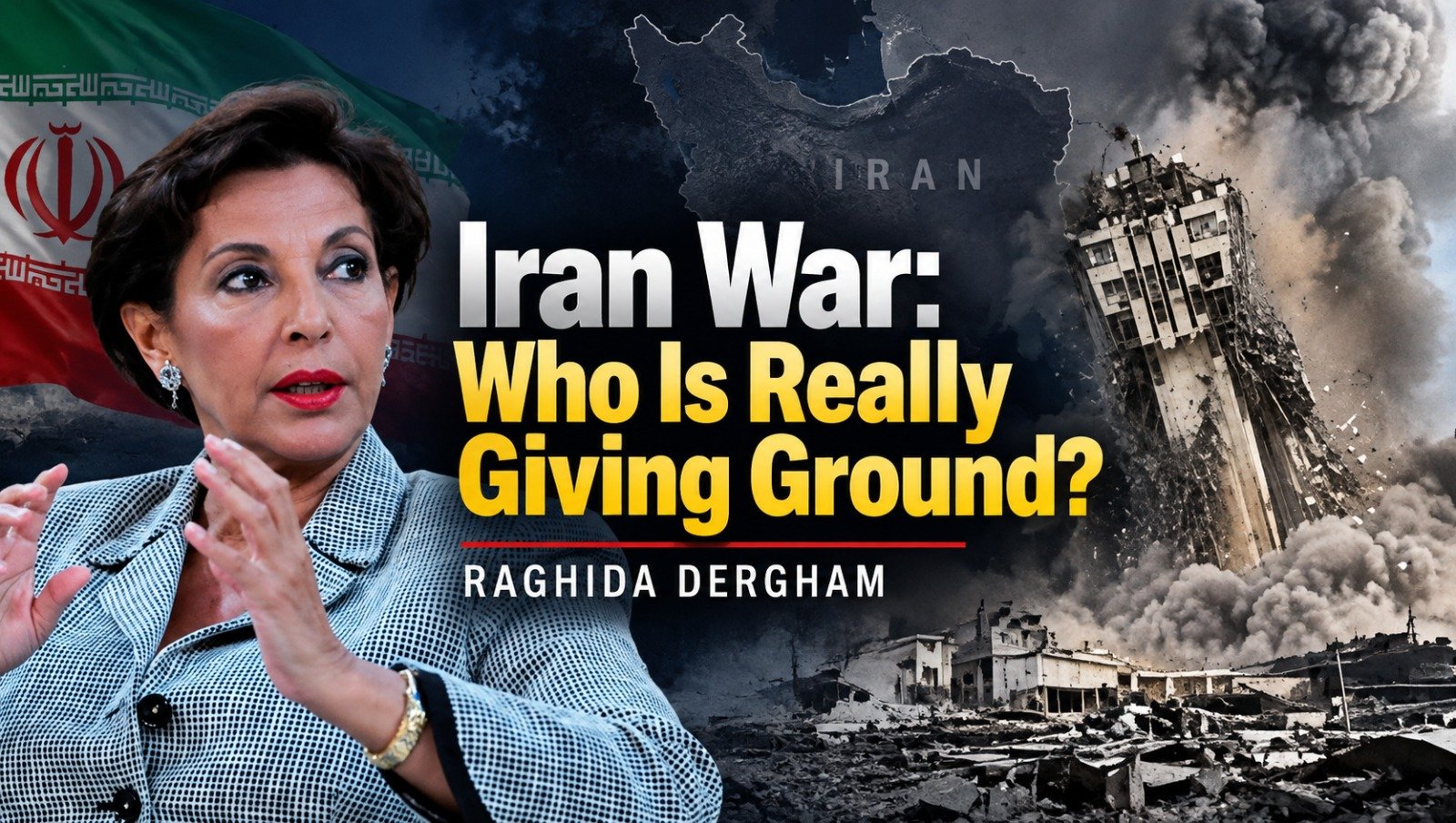


Iranian Foreign Minister Abbas Araghchi has accused Israel of attempting to undermine dialogue and peace efforts between Iran and the United States, insisting that Tehran will not surrender unconditionally.
Araghchi said Israel is creating obstacles to any potential peace agreement between Washington and Tehran. He also rejected the idea that Iran would accept US President Donald Trump’s demand for unconditional surrender, saying such a scenario was unrealistic.
According to Araghchi, Iran did not agree to a ceasefire until the other side showed willingness to discuss Iran’s conditions. He stressed that Tehran must continue pursuing diplomacy and negotiations while maintaining its military preparedness.
Iran Warns of Possible Shift in Military Strategy
An Iranian official separately warned that if negotiations with the United States fail, Tehran could move beyond its current defensive posture and adopt a more offensive military strategy.
The official said Iran was prepared for any new developments involving the Strait of Hormuz and the wider region. He warned that, if diplomatic efforts collapse, Iran could take military action at a time it considers appropriate, including measures aimed at ending what Tehran describes as a US naval blockade of Iranian ports.
The comments underline the growing importance of the Strait of Hormuz, a vital global energy route, amid the escalating tensions between Iran and the United States.
Nuclear Programme and US Sanctions at Centre of Talks
Iran and the United States had previously reached an understanding aimed at ending the conflict, under which the two sides were expected to reach agreement on several key issues within 60 days.
Among the major issues were Iran’s nuclear programme and US sanctions imposed on Tehran. However, disagreements over the Strait of Hormuz have reportedly complicated the diplomatic process and prevented the talks from making further progress.
Trump Demands Iranian Surrender
Meanwhile, US President Donald Trump has rejected extending the temporary ceasefire and has called on Iran to surrender, including by demanding that Tehran raise a white flag.
Trump has repeatedly said that the United States will not allow Iran to acquire nuclear weapons, keeping Washington’s position firm on one of the central issues at the heart of the confrontation.
The latest developments indicate that tensions between Washington and Tehran remain extremely high. While diplomatic channels continue to offer a possible route toward de-escalation, sharp disagreements over Iran’s nuclear programme, US sanctions, the Strait of Hormuz and military demands continue to complicate efforts to reach a lasting peace agreement.