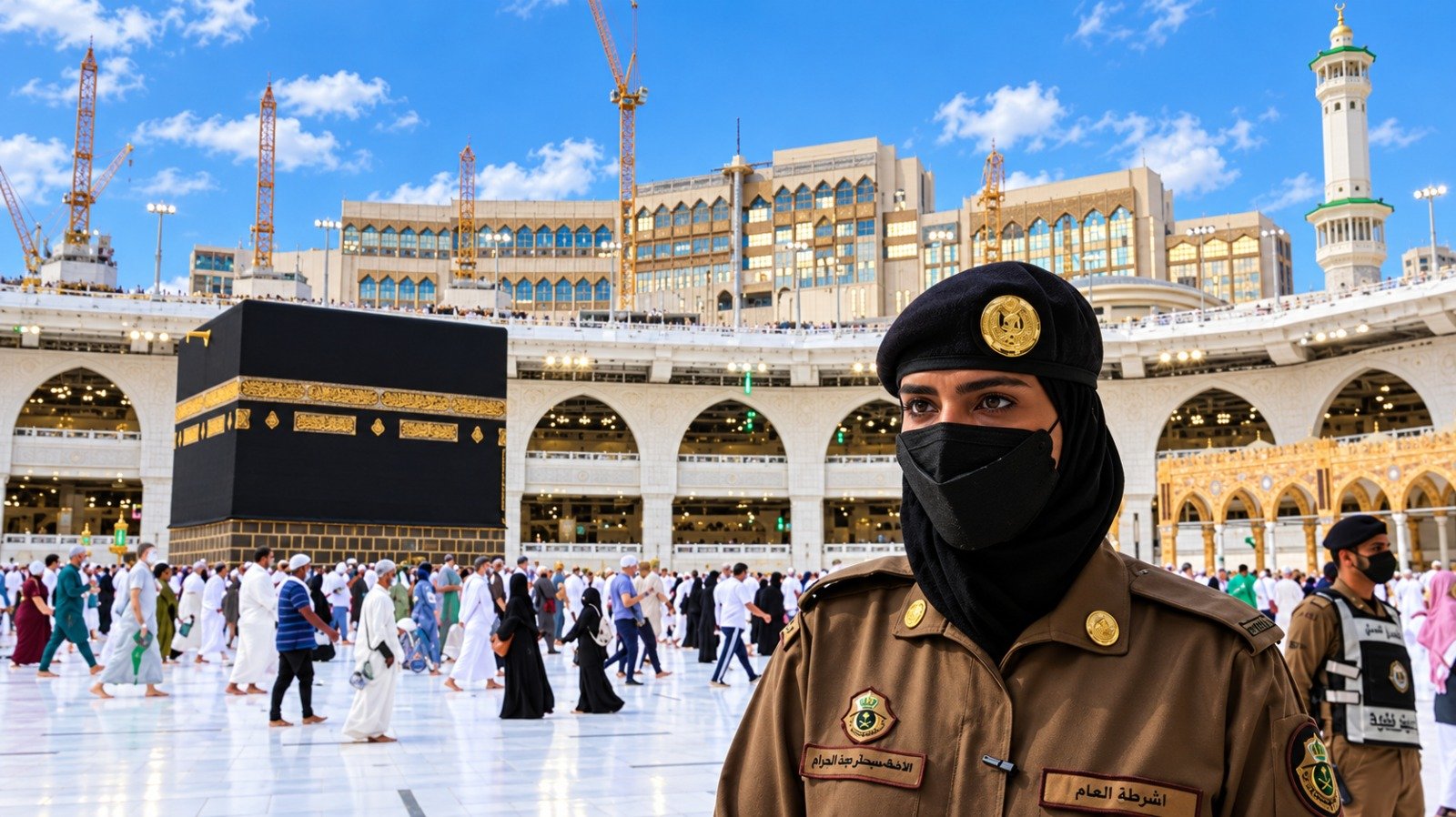
Saudi Arabia has reiterated that the security of the Kingdom—including the protection of Makkah and Madinah—remains a matter of the highest national importance as regional tensions involving Yemen’s Houthi movement continue to escalate.
The latest developments follow an announcement by the Saudi-led coalition that its air defenses intercepted and destroyed a Houthi drone south of Makkah before it could enter the city’s restricted airspace. Coalition spokesman Turki Al-Malki described the security of Makkah as a “red line” and warned that deterrent measures could be taken.
The Houthis, however, have denied targeting Makkah or other Islamic religious sites.
Makkah and Madinah at the Centre of Security Concerns
Makkah is home to the Grand Mosque and the Kaaba, while Madinah is home to the Prophet’s Mosque. Their exceptional religious importance means that any reported security threat involving either city carries significance far beyond Saudi Arabia.
Saudi authorities have repeatedly emphasized their responsibility to protect the Kingdom’s territory, population and critical infrastructure, including the country’s most important religious sites.
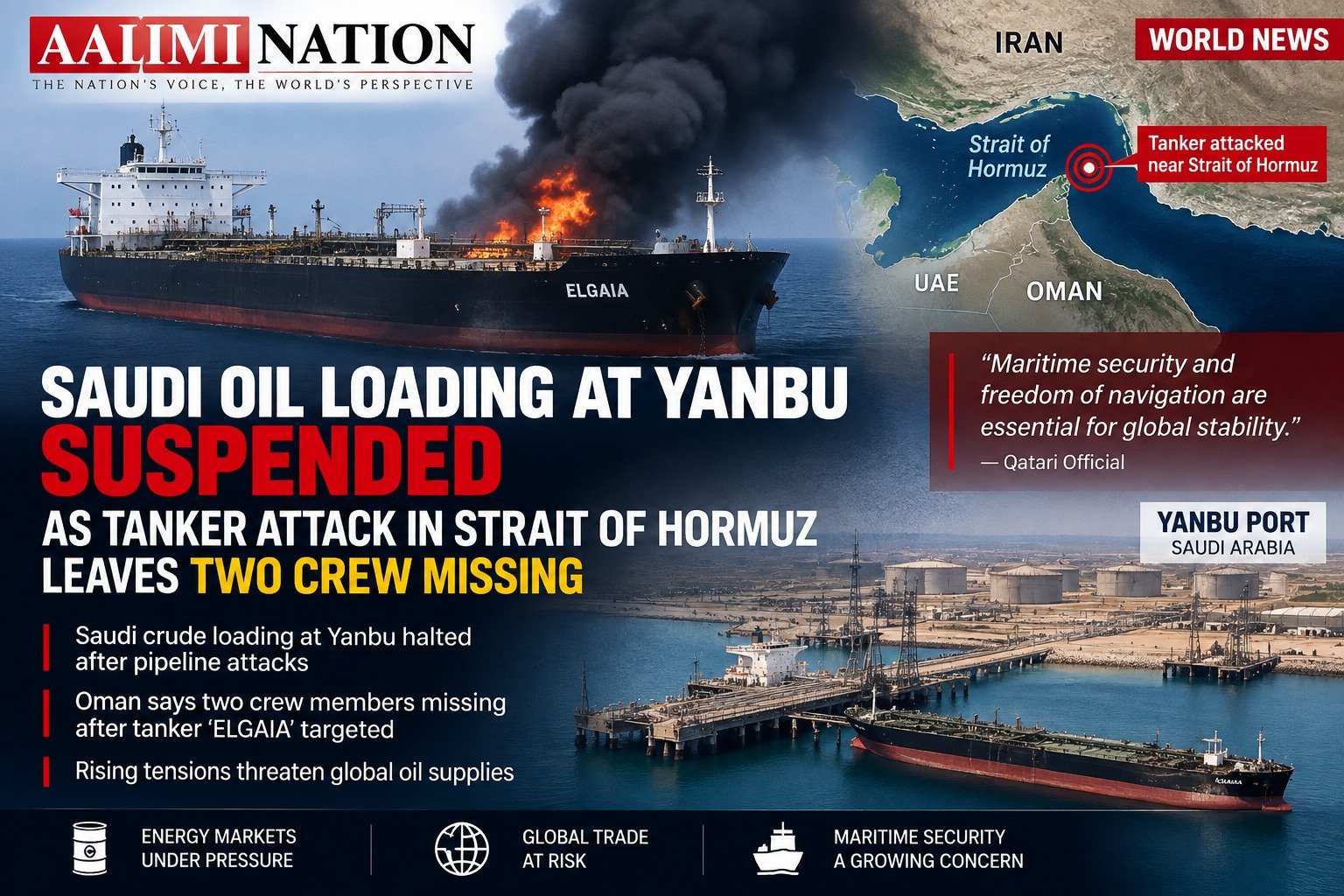
In another recent development, Saudi Arabia condemned drone attacks affecting its East-West oil pipeline in the Riyadh and Madinah regions. Saudi authorities said the attacks caused injuries and damage.
Riyadh also said it had temporarily refrained from retaliatory action while giving the Iraqi government an opportunity to prevent attacks launched from Iraqi territory.
Houthi Attacks Add to Regional Tensions
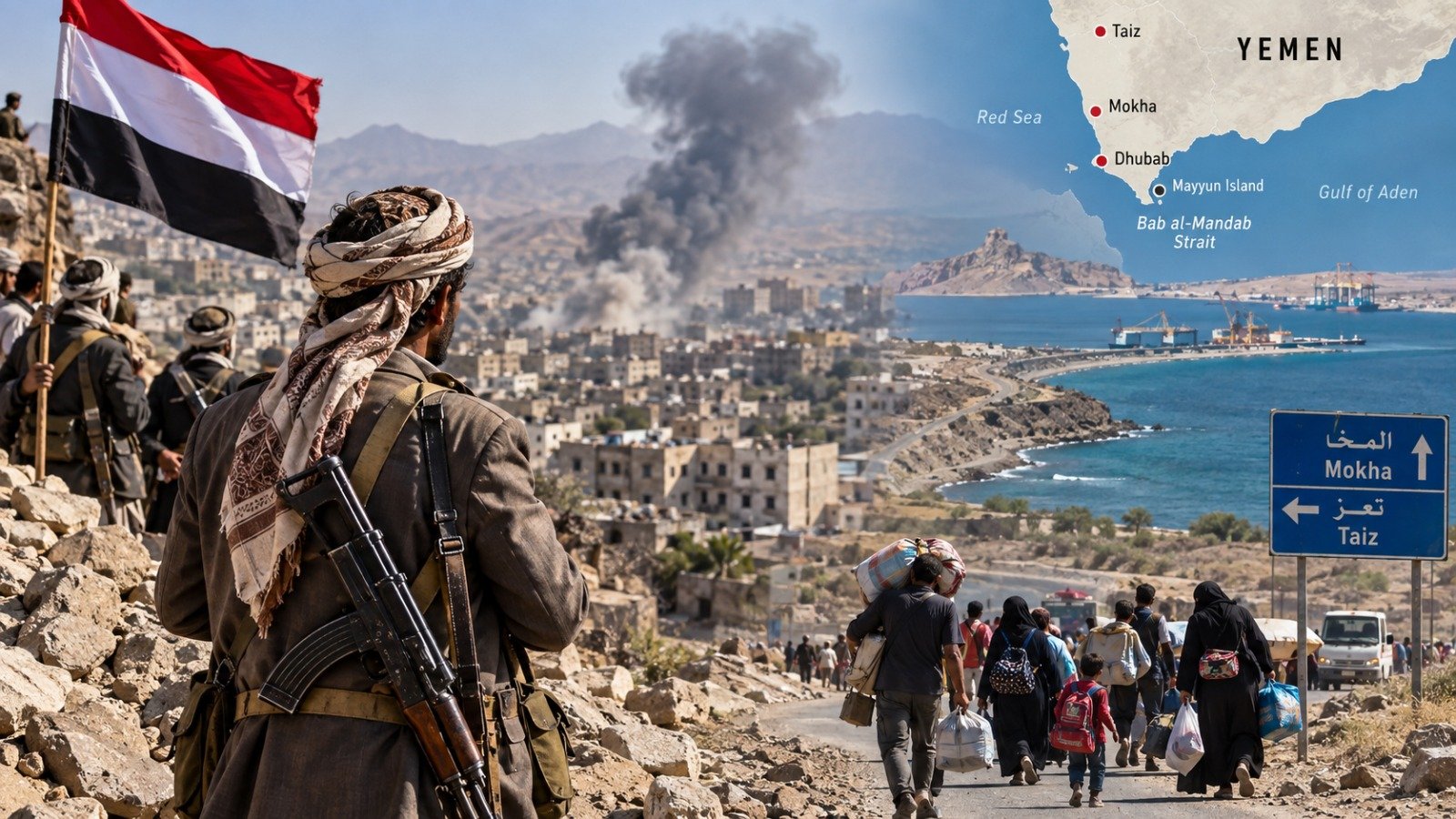
The reported incident near Makkah comes against the backdrop of a broader confrontation involving the Houthis and Saudi Arabia.
The conflict has increasingly extended beyond Yemen’s borders, with attacks and countermeasures raising concerns over the security of Saudi territory, energy infrastructure and important maritime routes.
Saudi Arabia has previously faced attacks against strategic infrastructure, including its East-West oil pipeline. The pipeline was temporarily shut down as a precaution following attacks in the Riyadh and Madinah regions, according to Saudi authorities.
The developments are unfolding amid wider instability across the Middle East, including disruptions around the Strait of Hormuz and concerns over international shipping and energy supplies.
Memories of the 2017 Missile Incident
The latest reports have also revived memories of a 2017 ballistic-missile incident involving the Houthis.
Reuters has reported that the recent drone incident represents the second known attempt associated with Houthi forces to threaten Makkah, following the earlier missile episode.
The Houthis have previously denied that their attacks were intended to target the holy city.
The competing claims underline the difficulty of establishing the intended target of individual attacks during periods of heightened regional conflict.
Unverified Statements Require Caution
Social media platforms have also circulated dramatic statements allegedly attributed to Saudi leadership, including claims that anyone who looks toward Makkah or Madinah “with evil intentions” would face an extreme response.
Such statements should not be presented as official Saudi policy unless they can be independently traced to an official government statement or a credible news organization.
For responsible journalism, it is important to distinguish between verified statements issued by Saudi authorities, comments made by military officials, reports published by established news organizations and claims circulating on social media.
The broader and documented Saudi position is that the Kingdom reserves the right to take measures it considers necessary to defend its sovereignty, security, infrastructure and people.
A Wider Regional Security Challenge
The developments demonstrate how the conflict involving the Houthis has become increasingly connected to wider regional security concerns.
Any attacks affecting Saudi territory, energy infrastructure or major maritime routes have the potential to produce consequences beyond the immediate Saudi-Yemeni confrontation, particularly at a time when the Middle East is already experiencing multiple overlapping security crises.
For Muslims around the world, the security of Makkah and Madinah carries an importance that transcends national borders. As regional tensions continue, the protection of the two holy cities is likely to remain one of the most sensitive issues in the unfolding crisis.
The competing claims surrounding recent attacks also reinforce the importance of verified information, official documentation and independent reporting—particularly when developments involve the Islamic world’s most sacred places.