Explosions Reported Across Southern Iran as US Strikes IRGC Targets
TEHRAN, September 2, 2026 — A series of explosions was reported across southern Iran after the United States launched fresh strikes against targets linked to Iran’s Islamic Revolutionary Guard Corps (IRGC), marking a sharp escalation in hostilities between Washington and Tehran.
Iranian state-linked media reported explosions in several locations, including Bandar Abbas, Sirik, Qeshm Island, Jask, Chabahar and Konarak. Further explosions were reported in the Asaluyeh area of Bushehr province and near Jiroft airport in Kerman province.
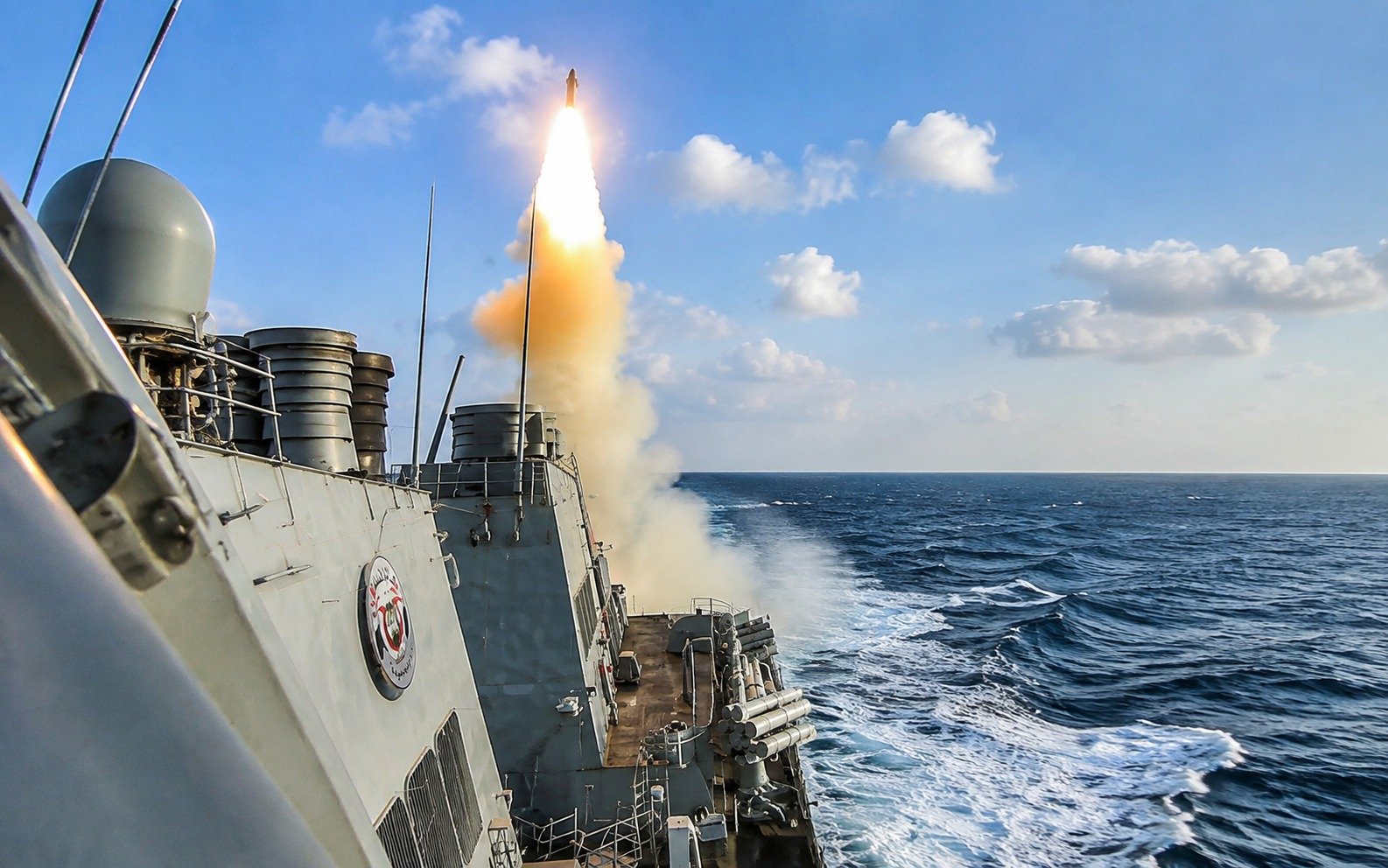
The reports came shortly after US Central Command announced that American forces had begun striking IRGC-linked targets inside Iran.
According to the US military, the operation was launched in response to what Washington described as recent attempted attacks by the IRGC against commercial shipping in the Strait of Hormuz and threats to US service members deployed in the region.
The full scale of the operation and the extent of damage inside Iran remained unclear in the immediate aftermath of the strikes.
Strait of Hormuz at the Centre of the Crisis
The latest confrontation is closely tied to the Strait of Hormuz, one of the world's most strategically important maritime chokepoints.
The waterway connects the Persian Gulf with the Gulf of Oman and the wider Arabian Sea and serves as a critical route for global energy supplies.
Recent attacks and attempted attacks on commercial vessels have already disrupted maritime traffic. Reuters reported that the latest US strikes followed attacks on two tankers attempting to leave the Strait of Hormuz, intensifying concerns over the security of global energy supplies.
The renewed fighting has also rattled financial markets. Oil prices rose sharply, with Brent crude settling above $94 a barrel on Tuesday, according to Reuters.
Any prolonged disruption to shipping through Hormuz could therefore have consequences well beyond the immediate conflict, pushing up fuel and shipping costs and putting additional pressure on global supply chains.
Washington Says Strikes Targeted Iranian Military Capabilities
Washington has described the latest military action as a response to threats against commercial vessels and US personnel.
US Central Command said the strikes targeted IRGC-linked military capabilities. Subsequent reports indicated that air-defence systems, radar installations and maritime-related assets were among the targets.
The Trump administration has also warned that further Iranian attacks could prompt additional US military action.
The latest exchange follows a period of relative calm after months of fighting. The confrontation had increasingly shifted towards economic pressure and diplomatic efforts before direct military exchanges resumed.
Iran Warns of Retaliation
Tehran has rejected US pressure and warned that further attacks could trigger a stronger military response.
Iranian Parliament Speaker Mohammad Baqer Qalibaf has warned that Tehran would respond militarily if Washington tightened its blockade or attempted to prevent Iran from exporting oil through the Gulf.
Iranian officials have repeatedly stressed that Tehran will not accept restrictions on access through the Strait of Hormuz.
The warnings have heightened fears that the latest confrontation could move beyond limited strikes and develop into a wider regional conflict.
Iran subsequently launched missiles and drones towards US military interests in parts of the Middle East, while countries including Jordan and Bahrain reported intercepting incoming threats.
Power Disruptions Reported in Hormozgan
Iranian media also reported disruptions to electricity supplies in parts of Hormozgan province, after sections of the power network were reportedly affected by the attacks.
The extent of the damage and the time required to restore electricity remained unclear.
Hormozgan is strategically important because it includes Bandar Abbas, several islands and key locations along the approaches to the Strait of Hormuz.
Sustained damage to electricity, port or communications infrastructure in the province could affect both civilian life and maritime operations.
Airspace and Travel Disruptions
Despite the escalation, Iran had not announced a nationwide closure of its airspace at the time of the reports cited in the original account.
The deteriorating security situation, however, has raised concerns about flight cancellations, airspace restrictions and wider travel disruptions.
The United States has urged its citizens in the region to remain highly vigilant and prepare for possible flight cancellations, airspace closures and other disruptions.
The US State Department has separately warned of heightened risks to American citizens and interests across the region as tensions with Iran continue to rise.
Why the Strait of Hormuz Matters
The significance of the current confrontation extends far beyond the immediate military exchanges.
The Strait of Hormuz is a critical artery of the global energy economy, and any major disruption could have immediate consequences for international markets.
A prolonged closure or severe restriction of shipping could force commercial vessels to take longer routes, increasing insurance and freight costs while putting further upward pressure on fuel prices.
For Iran, the ability to disrupt maritime traffic through Hormuz represents a potentially powerful strategic lever.
For the United States and its allies, maintaining freedom of navigation and keeping commercial shipping moving through the waterway is a major security and economic priority.
That makes Hormuz one of the most dangerous potential flashpoints in the current confrontation.
Diplomatic Efforts Under Pressure
The latest military exchanges have further complicated efforts to revive diplomacy between Washington and Tehran.
A June memorandum of understanding had been intended to provide a framework for reducing hostilities and creating space for broader negotiations. However, major issues remained unresolved, and the latest escalation has once again pushed diplomatic efforts into the background.
Regional intermediaries continue to press for a return to negotiations, but significant differences remain between Washington and Tehran.
The immediate question is whether the latest strikes will remain a limited exchange or trigger a broader military confrontation.
A Dangerous New Phase
The latest developments suggest that the conflict has entered a potentially more dangerous phase.
The United States has demonstrated its willingness to strike Iranian military infrastructure directly, while Iran has shown that it remains prepared to retaliate against US interests across the region.
The risks extend well beyond the two countries.
A sustained confrontation could threaten commercial shipping, disrupt global energy supplies and expose US military facilities across the Middle East to further attacks. It could also draw additional regional states into the conflict.
For now, the Strait of Hormuz remains the key flashpoint.
If attacks on commercial shipping continue, or if either side moves towards imposing a more comprehensive blockade, the economic and security consequences could spread rapidly beyond the Gulf.
What began as a confrontation centred on military and maritime security is increasingly becoming a test of whether Washington and Tehran can prevent another cycle of retaliation from escalating into a much wider regional war.