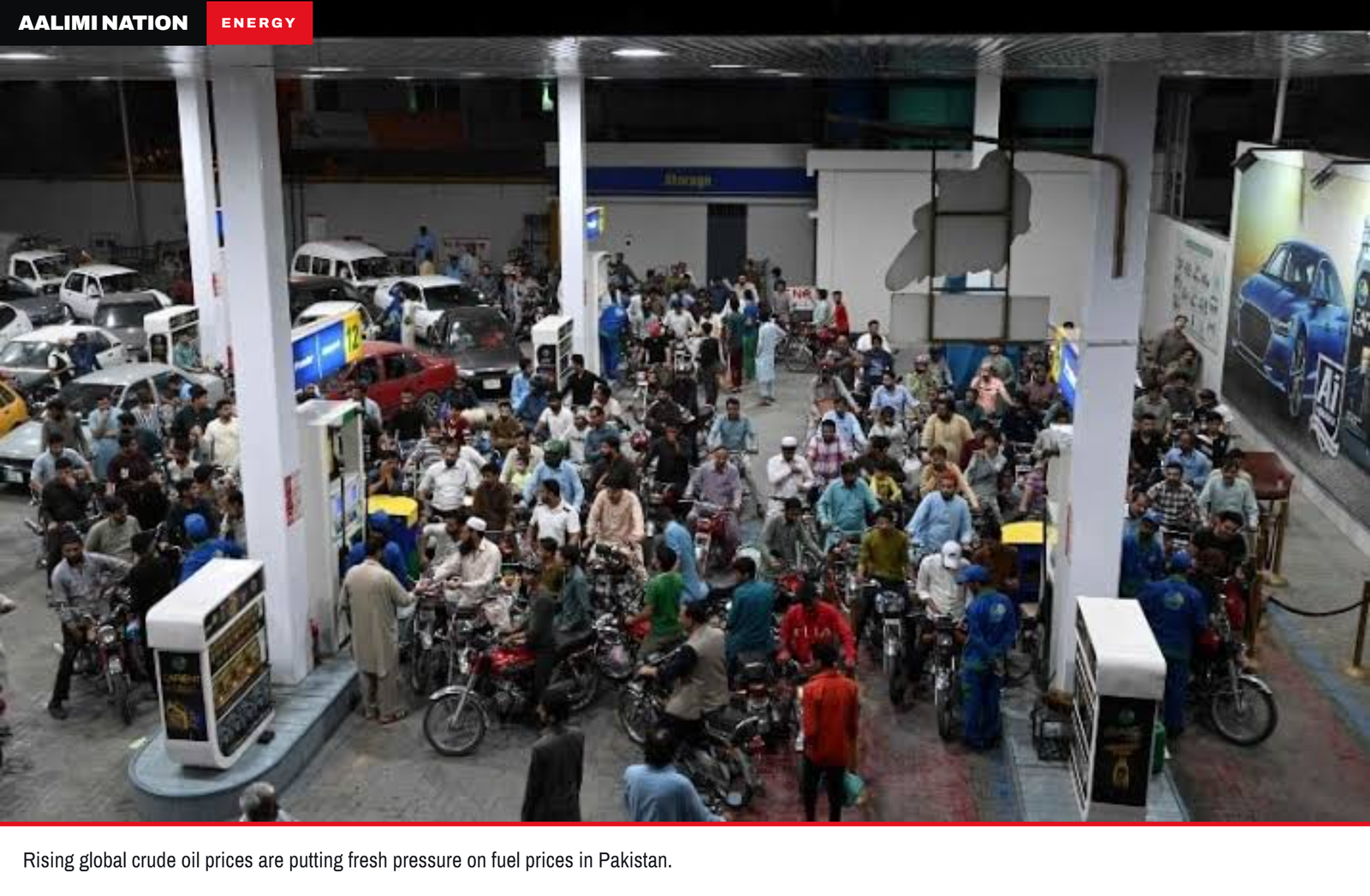
With the Strait of Hormuz closed and Houthi forces now controlling Bab el-Mandeb, the question in Islamabad is whether cutting the petroleum levy can deliver any relief.
Aalimi Nation | Islamabad | Vrushali Lad
ISLAMABAD — Pakistan has increased the price of petrol and diesel seven times in September, the government's response to a crude oil market that has moved above $100 a barrel as fighting in the Middle East widens and the conflict in Yemen intensifies.
Under a notification issued by the Oil and Gas Regulatory Authority (OGRA), petrol rose by Rs5 a litre with effect from 12 September, taking it to Rs375.82. Diesel now sells at Rs403.32 a litre.
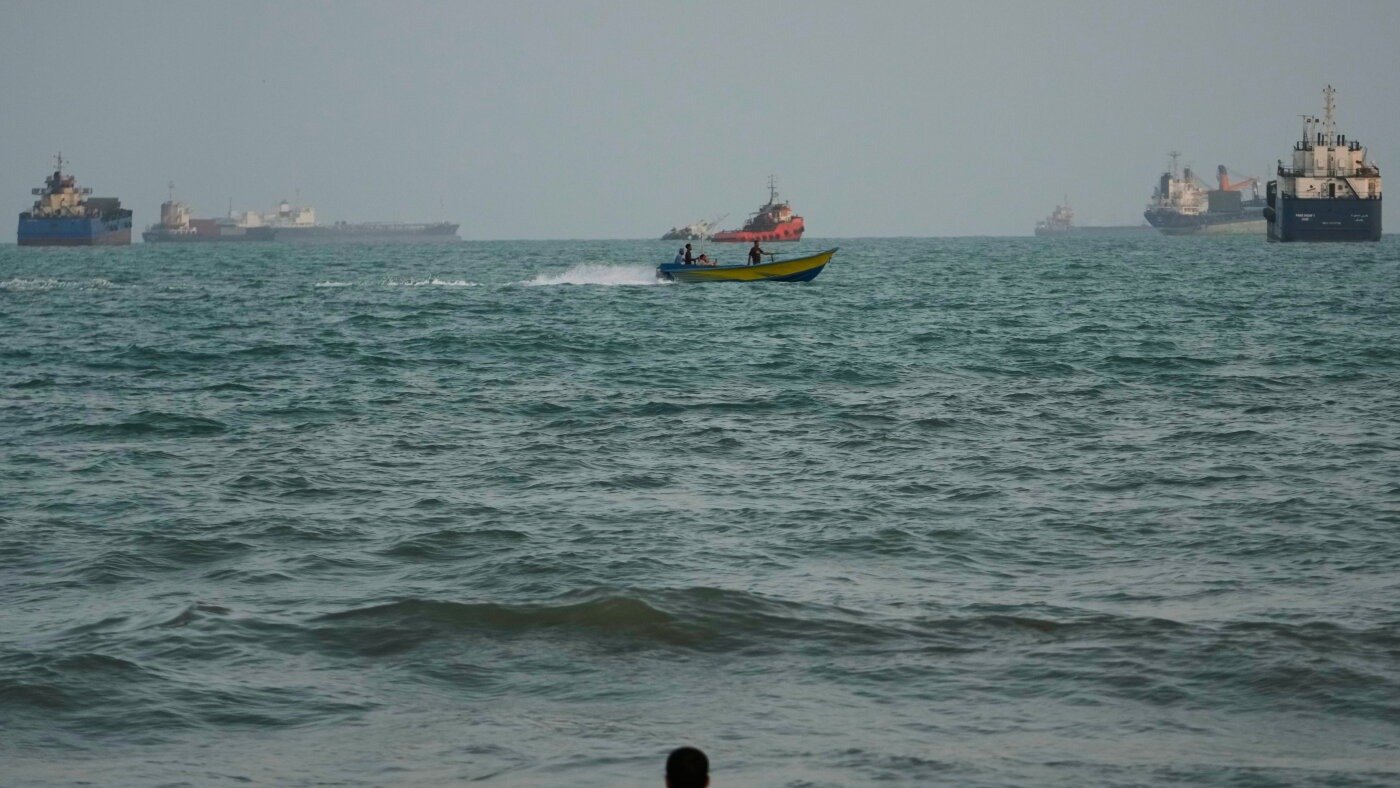
The pressure is coming from the sea lanes. After the closure of the Strait of Hormuz during the war, Houthi forces in Yemen have taken control of Bab el-Mandeb, the passage linking the Gulf of Aden to the Red Sea. Together the two chokepoints carry a substantial share of the crude that moves from the Gulf to world markets, and their disruption can hold up deliveries well beyond the region.
For a country that imports the bulk of its crude and refined product, that translates directly into the pump price. Supply interruptions and volatility in international markets have hit oil-importing economies hardest, and Pakistan's pricing formula passes the movement through on a fortnightly cycle — this month, repeatedly.
There is little in the forecasts to suggest relief from the market side. In its most recent assessment, the International Energy Agency said that given the delay in ending the Middle East conflict and current conditions, oil supply is unlikely to return to normal even in 2027, which makes a fall in prices improbable in the near term.
The levy question
That leaves the domestic tax structure as the only lever within the government's reach. A significant portion of the retail price of petrol and diesel in Pakistan is accounted for not by the cost of the imported product but by the petroleum levy and other government charges built into the price. Reducing the levy would lower the pump price immediately — and would equally reduce a revenue line the federal government relies on to meet its fiscal targets.
That is the trade-off now in front of the finance ministry: pass the international price through in full and hold the revenue, or absorb part of it and find the shortfall elsewhere.
Politics on the street
The pump price has already moved into the political arena. Jamaat-e-Islami has announced a long march to Islamabad on 20 September, putting fuel and electricity costs at the centre of its campaign.
For households, the arithmetic is simpler than the policy debate. Fuel prices feed into transport fares, freight rates and the cost of moving food to market, which means a September of seven increases will show up in prices well after the last notification.