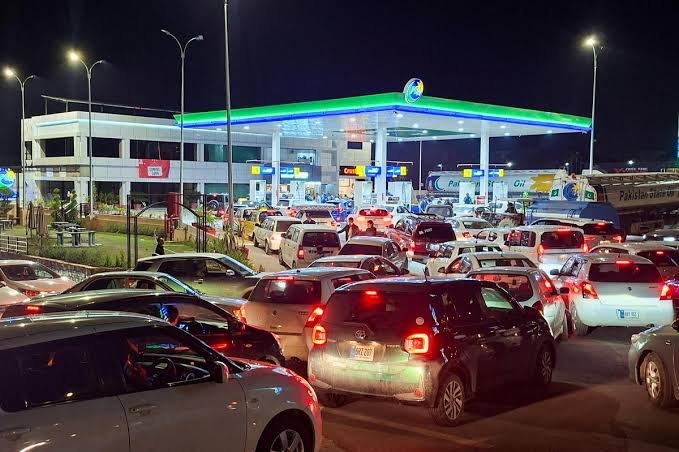
ISLAMABAD — Fuel prices in Pakistan have continued their sharp upward trajectory, with petrol and high-speed diesel becoming significantly more expensive in just 10 days.
Following the latest increase, the price of petrol has risen by Rs4.42 per litre to Rs380.24, while high-speed diesel (HSD) has increased by Rs6.10 per litre to Rs409.42.
The latest adjustment has added to mounting pressure on households, transport operators, farmers and businesses already struggling with higher operating costs.
Petrol up Rs34 in 10 days
The scale of the increase becomes clearer when compared with prices earlier this month.
On September 5, petrol was selling at Rs345.87 per litre, while high-speed diesel was priced at Rs378.05 per litre.
Within just 10 days, petrol has therefore increased by approximately Rs34.37 per litre, while diesel has risen by approximately Rs31.37 per litre.
The rapid increase has raised concerns about its potential impact on the wider economy.
Transport costs likely to face further pressure
Fuel prices have a direct impact on Pakistan's transport sector.
Higher petrol and diesel costs increase the operating expenses of buses, taxis, trucks, delivery services and other commercial vehicles. Transport operators may eventually pass those additional costs on to consumers through higher fares and freight charges.
Diesel is particularly important for Pakistan's commercial transport, agriculture and industrial sectors.
Any sustained increase in diesel prices can therefore affect the cost of moving food, raw materials and manufactured goods across the country.
Wider inflationary impact
The latest fuel increase could also add to inflationary pressures.
Higher transportation costs can feed into the prices of essential commodities, particularly food and other goods that depend heavily on road transport.
For ordinary households, the impact may extend beyond the amount paid at petrol stations.
An increase in fuel costs can gradually translate into higher commuting expenses, delivery charges and prices for everyday products.
Businesses face rising operating costs
Pakistan's businesses are also likely to feel the pressure.
Manufacturers, retailers and logistics companies rely heavily on fuel for transportation and distribution. A sharp increase in diesel prices can raise the cost of moving goods from factories and ports to markets across the country.
Small businesses may be particularly vulnerable because they have less capacity to absorb higher transportation expenses.
A difficult period for consumers
For consumers, the latest increase comes at a time when household budgets are already under pressure.
Motorists are facing significantly higher costs for daily travel, while families dependent on public transport could eventually face higher fares if operators seek to compensate for rising fuel expenses.
The increase also creates uncertainty for businesses trying to plan their costs and prices.
The bigger economic question
The speed at which fuel prices have risen over the past 10 days is likely to become an important economic and political issue in Pakistan.
While petroleum prices are influenced by international oil prices, exchange-rate movements, taxes and other domestic factors, the immediate impact is felt directly by consumers.
With petrol now at Rs380.24 per litre and high-speed diesel at Rs409.42 per litre, the latest adjustment represents another significant increase in the cost of energy and transportation.
The key question now is whether the upward trend will continue — and how much additional pressure it will place on inflation, household incomes and Pakistan's already challenging economic environment.