
INDIA’S FIRST DENGUE VACCINE: A NEW SHIELD AGAINST A GROWING MONSOON THREAT
AALIMI NATION | Health | Srinagar
By :-Aaqib Bhat
Every monsoon in India brings more than rain. It also creates the conditions in which Aedes mosquitoes can multiply — in stagnant water around homes, construction sites, containers, discarded tyres and other breeding sites.
For decades, dengue prevention has depended largely on mosquito control, personal protection and early medical care. Now India has added a new tool to that fight.
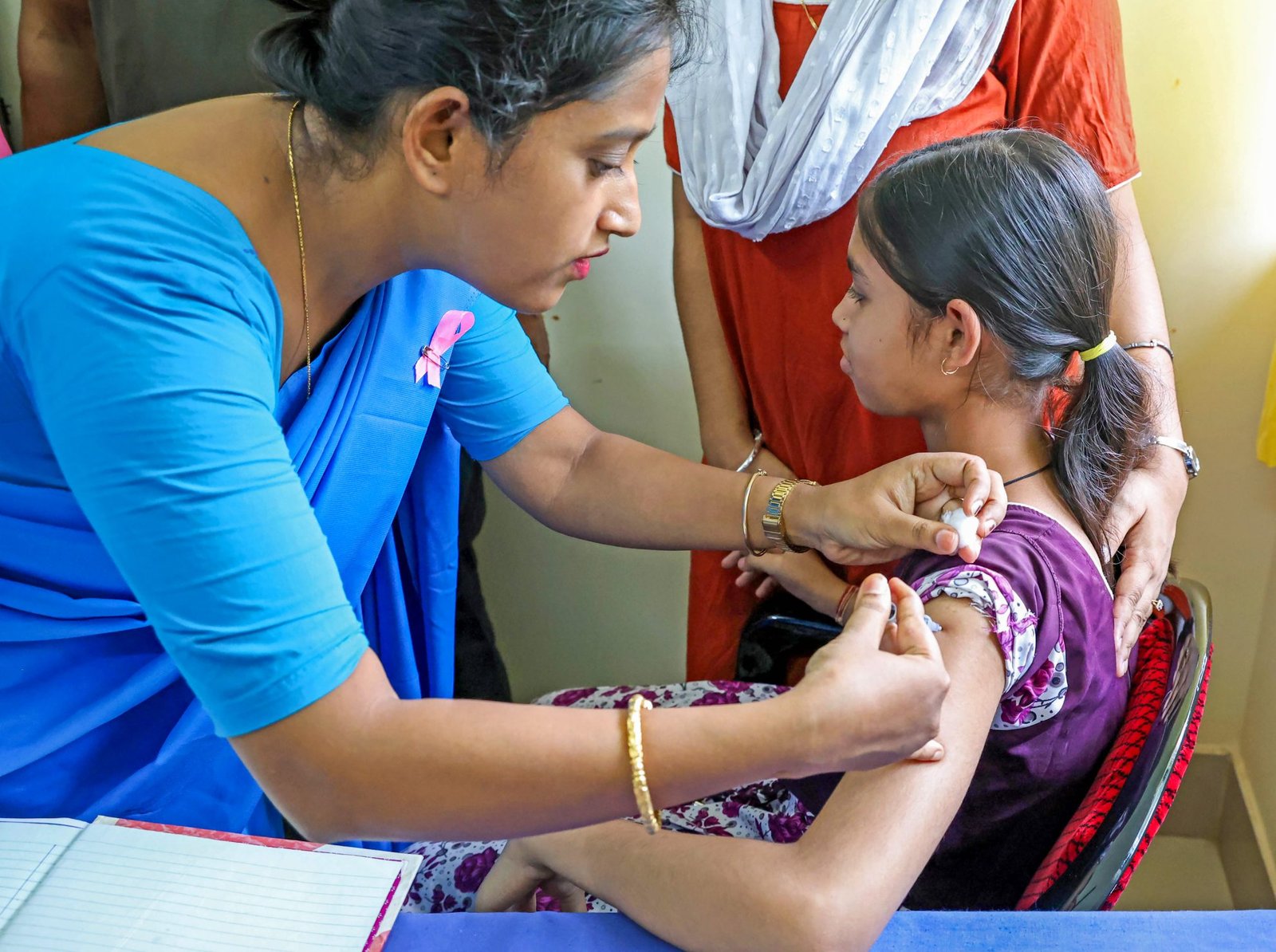
On July 21, 2026, the Central Drugs Standard Control Organisation (CDSCO) granted marketing authorisation for Qdenga, a live attenuated tetravalent dengue vaccine developed by Takeda GmbH. It is India's first approved dengue vaccine and is authorised for individuals aged 4 to 60 years.
The vaccine targets all four dengue virus serotypes — DENV-1, DENV-2, DENV-3 and DENV-4 — and is administered in two doses three months apart. Unlike the earlier Dengvaxia approach, Qdenga does not require pre-vaccination testing to determine whether someone has previously been infected with dengue.
But there is an important message behind the headline:
A vaccine is a shield. It is not an escape from dengue.
WHY THE DEVELOPMENT MATTERS
Dengue remains one of the world's fastest-growing mosquito-borne diseases. The World Health Organization estimates that roughly half of the world's population is at risk, with 100–400 million dengue infections occurring annually.
The disease is transmitted primarily by infected Aedes aegypti mosquitoes. Most infections are mild or asymptomatic, but some progress to severe dengue, which can be life-threatening. WHO stresses that early detection and appropriate medical care significantly reduce the risk of death.
India's new vaccine therefore arrives at an important moment — but its impact will depend on how vaccination is integrated with existing public-health measures.
THE FOUR-SEROTYPE CHALLENGE
Dengue is not caused by a single virus variant. There are four major serotypes.
A previous infection can provide long-term immunity against that particular serotype, but subsequent infection with another serotype can sometimes carry a greater risk of severe disease.
That complexity has made dengue vaccine development unusually challenging.
Qdenga was designed to address all four serotypes, and its approval followed a substantial international clinical-development programme. The Indian regulatory approval followed scientific evaluation of its quality, safety and efficacy.
WHAT THE VACCINE CAN — AND CANNOT — DO
Clinical evidence shows meaningful protection against dengue and, importantly, dengue-related hospitalisation. Reuters reported trial efficacy figures of 80.2% against confirmed dengue and 90.4% against dengue-related hospitalisation in the programme supporting the vaccine.
But protection is not absolute.
A vaccinated person can still become infected, which means vaccination cannot replace mosquito-control measures.
That distinction is particularly important in Kashmir and other regions where changing weather patterns, travel and expanding mosquito habitats can alter the geography of mosquito-borne diseases.
THE MONSOON MESSAGE: REMOVE THE BREEDING GROUND
WHO continues to emphasise vector control as a central component of dengue prevention.
For households, the message is remarkably simple:
Do not allow stagnant water to remain.
Check:
Flowerpots and plant trays
Water coolers
Open tanks and containers
Discarded tyres
Construction sites
Rooftop containers
Drains and other places where water can collect
The Aedes mosquito can breed in surprisingly small quantities of stagnant water.
DENGUE MOSQUITOES DO NOT WAIT FOR NIGHTFALL
Another common misconception is that mosquito protection is primarily a night-time concern.
Aedes mosquitoes can bite during the day, making daytime protection important.
Long clothing, mosquito repellents, screens and eliminating breeding sites can all contribute to reducing exposure.
WHEN FEVER BECOMES A WARNING SIGN
There is currently no specific antiviral treatment that cures dengue. Treatment is largely supportive, with careful monitoring and management of complications. WHO advises using paracetamol/acetaminophen for fever and avoiding aspirin and ibuprofen because of bleeding risk.
Medical attention becomes particularly important when warning signs appear.
Seek urgent medical care if dengue is suspected and there is:
Severe abdominal pain
Persistent vomiting
Bleeding from the nose or gums
Blood in vomit or stools
Extreme weakness or unusual restlessness
Difficulty breathing
Increasing drowsiness or other signs of deterioration
A crucial point is that severe dengue can develop around the time the fever begins to fall. A reduction in temperature should therefore not automatically be interpreted as recovery.
INDIA'S NEXT DENGUE VACCINE
Qdenga is not the only dengue vaccine programme being pursued in India.
DengiAll, developed by Panacea Biotec in collaboration with the Indian Council of Medical Research, is another candidate under development. Its progress will be closely watched as India seeks locally developed options for dengue prevention.
The emergence of multiple vaccine candidates could eventually expand India's ability to respond to a disease that places a substantial burden on its health system.
WHAT THIS MEANS FOR KASHMIR
For Kashmir, the dengue story deserves particular attention.
The Valley's changing environment, increasing movement of people, urbanisation and changing weather patterns make mosquito-borne disease surveillance increasingly important.
The appropriate response is not alarm.
It is preparedness.
That means stronger surveillance, rapid diagnosis, public awareness, mosquito-control programmes and clear guidance from health authorities — alongside responsible evaluation and rollout of vaccines as they become available.
THE DOCTOR'S MESSAGE
AALIMI NATION will seek expert comment from physicians and public-health specialists in Jammu & Kashmir before publication of any attributed medical quotation.
The central question we intend to put to them is simple:
“What should families understand about the new dengue vaccine, and what must they continue doing even after vaccination?”
That question matters because the arrival of a vaccine can sometimes create a dangerous sense of security.
The public-health message should remain clear:
Vaccination can strengthen the shield. It cannot eliminate the mosquito.
A NEW TOOL — NOT A MAGIC BULLET
India enters the next dengue season with something it did not have before: an approved vaccine.
That is a significant development.
But dengue prevention will still depend on the basics — clean surroundings, elimination of stagnant water, protection from mosquito bites, early diagnosis and timely medical care.
The mosquito, as always, will not wait for the next scientific breakthrough.
And that is why India's dengue strategy must use every available tool — vaccines, surveillance, vector control and public awareness — together.
— AALIMI NATION | Health Desk
This article is for public-health information and does not replace advice from a qualified medical professional.
Sources & Editorial Note
This feature has been prepared using official Indian government information and international public-health sources, including the Ministry of Health & Family Welfare/Press Information Bureau, World Health Organization, Reuters and medical reporting from The Indian Express. AALIMI NATION has independently edited and presented the material for its readers.