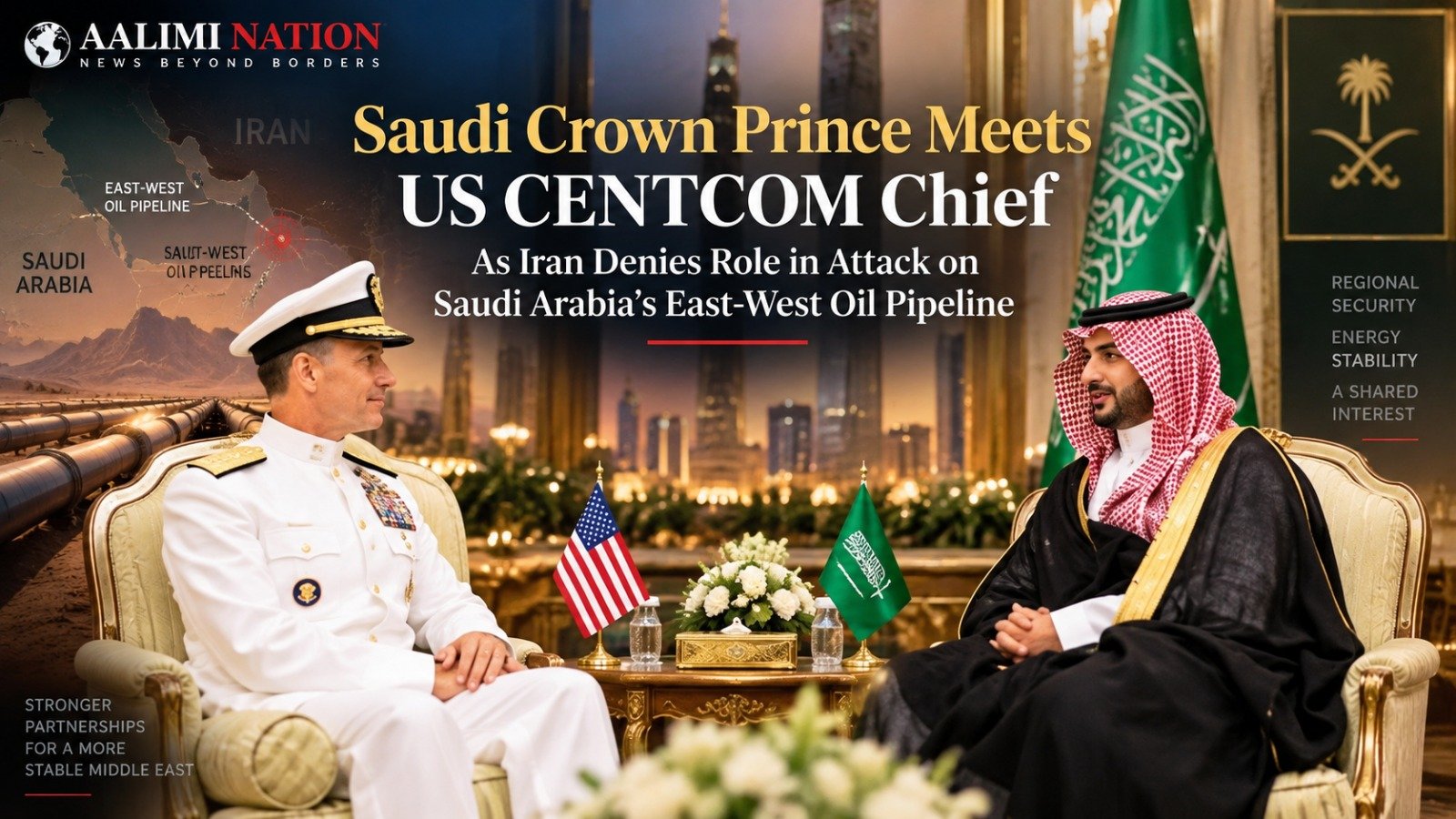
JEDDAH — Saudi Crown Prince and Prime Minister Mohammed bin Salman met US Central Command (CENTCOM) commander Admiral Brad Cooper in Jeddah on Monday, with bilateral relations and the latest developments across the Middle East reportedly discussed during the meeting.
The talks come at a particularly sensitive moment for Saudi Arabia, as regional tensions have intensified and critical energy infrastructure faces growing security concerns.
The meeting between the Saudi leadership and the head of CENTCOM highlights the importance of the US-Saudi security partnership at a time when Riyadh is facing threats linked to the wider regional conflict.
Regional security at the centre of talks
The meeting focused on bilateral relations as well as the latest developments in the region.
While details of the discussions were not immediately made public, the timing of the meeting is significant. Saudi Arabia has been closely monitoring developments involving Iran, Yemen and the security of major maritime and energy corridors.
CENTCOM is responsible for US military operations and security interests across a large part of the Middle East, making its commander a key figure in Washington’s military coordination with Saudi Arabia.
The visit comes as Riyadh seeks to strengthen its defensive capabilities while avoiding further escalation that could threaten its energy infrastructure or draw the kingdom into a wider regional conflict.
Iran denies involvement in Saudi pipeline attack
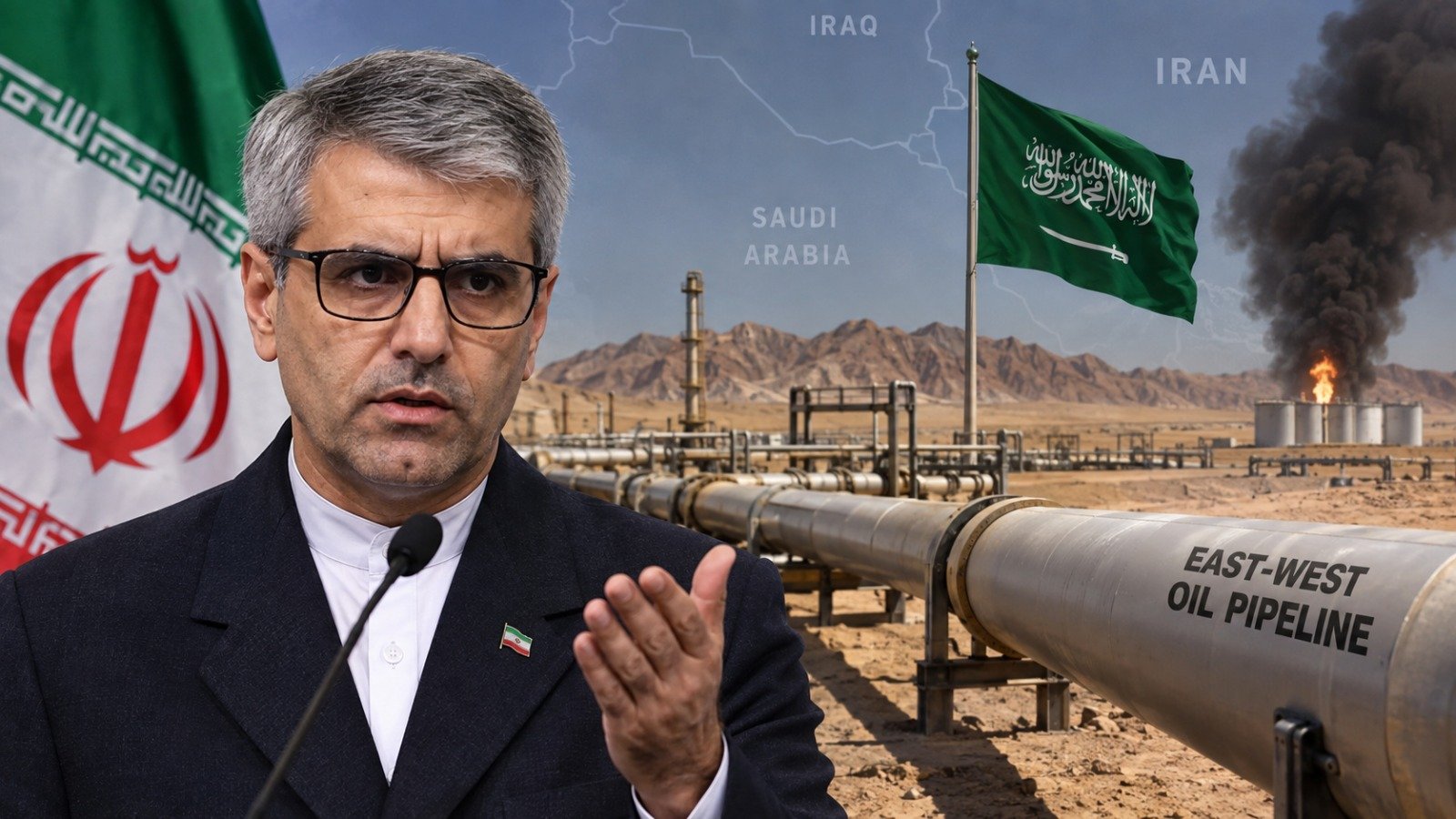
Separately, Iran has rejected allegations that it was involved in an attack on Saudi Arabia’s East-West oil pipeline.
Iranian Foreign Minister Abbas Araghchi denied Tehran’s involvement in the attack, while Iranian officials have accused the United States of spreading what they describe as false information about Iran’s alleged role.
The allegations reportedly included claims that Iranian forces may have been involved in the attack from Iraqi territory.
Tehran has rejected those accusations.
The dispute comes amid a broader confrontation involving Iran, the United States and their respective regional partners.
Why the East-West pipeline is strategically important
Saudi Arabia’s East-West pipeline is one of the kingdom’s most important strategic energy assets.
Also known as the Petroline, it provides Saudi Arabia with an alternative route for transporting crude oil from the country's eastern production areas toward Red Sea export terminals.
The route is particularly important because it can reduce Saudi Arabia’s dependence on shipping through the Strait of Hormuz, one of the world's most strategically important oil chokepoints.
Any attack or prolonged disruption affecting the pipeline could therefore have consequences for both Saudi energy security and global oil markets.
Saudi Arabia faces pressure on several fronts
The pipeline incident is occurring against a backdrop of heightened security concerns around Saudi Arabia.
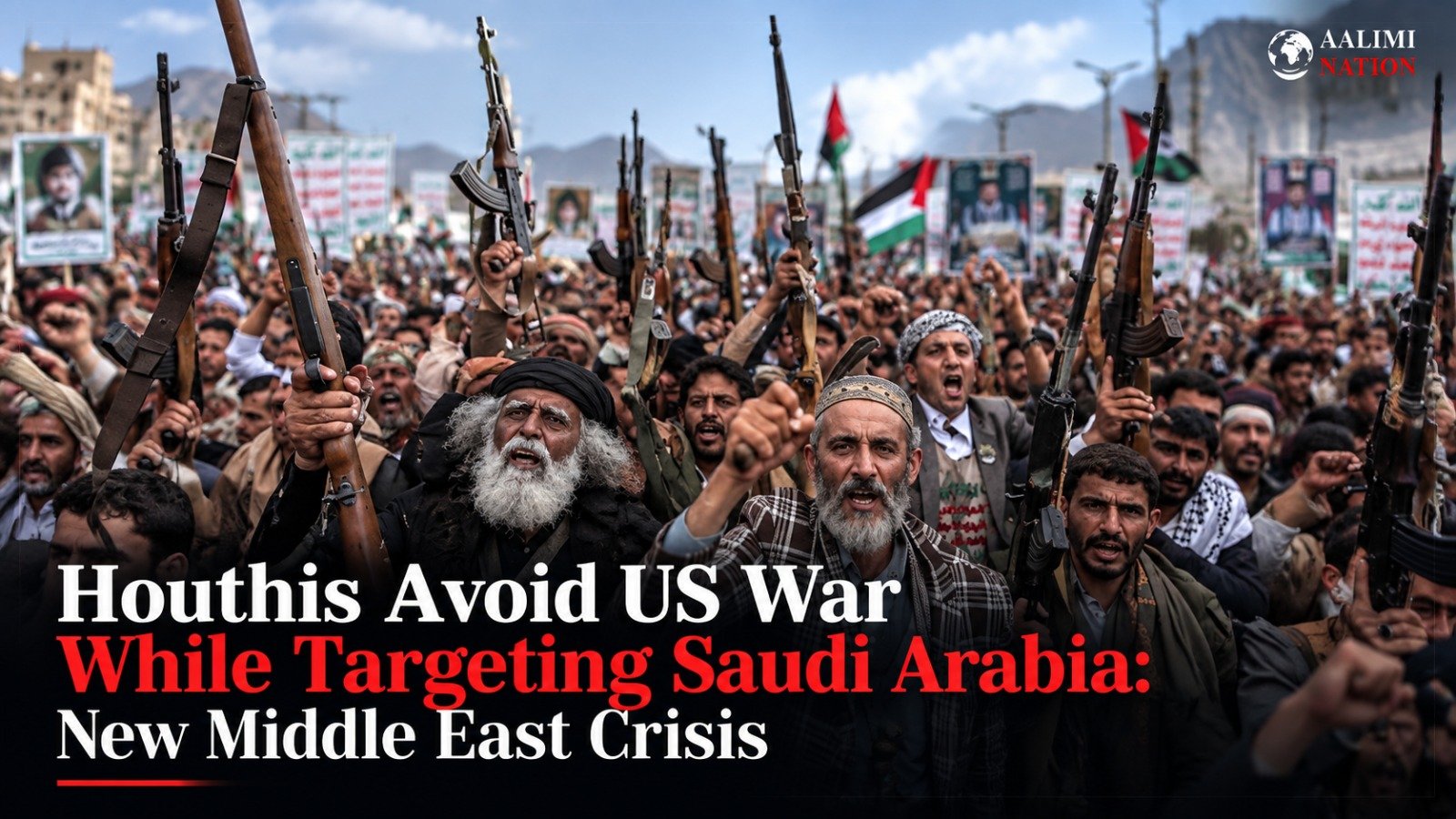
The kingdom faces potential threats from several directions, including developments in Yemen and the activities of Iran-aligned Houthi forces.
The Houthis have expanded their military activity along Yemen’s Red Sea coast, raising concerns over the security of the Bab el-Mandeb Strait, another major maritime chokepoint.
For Riyadh, the simultaneous risks around its land borders, oil infrastructure and maritime routes present a complex security challenge.
Washington and Riyadh deepen coordination
The meeting between Mohammed bin Salman and Admiral Cooper also underscores the continuing importance of the US-Saudi defence relationship.
Although Saudi Arabia has sought to diversify its international partnerships and strengthen its strategic autonomy, the United States remains a major security partner.
For Washington, protecting Saudi Arabia and the wider Gulf region is closely connected to broader objectives involving regional stability, energy security and freedom of navigation.
For Riyadh, American intelligence, military technology and defensive capabilities remain important elements of its national security strategy.
The challenge for both countries is to strengthen deterrence without allowing individual attacks to trigger an uncontrolled escalation.
Iran-Saudi tensions remain a key regional fault line
The Saudi-Iranian relationship remains one of the most important variables in the wider Middle Eastern security equation.
Both countries have previously taken steps toward improving diplomatic relations, but the wider regional confrontation has continued to create points of friction.
The latest pipeline allegations could add another layer of tension, particularly if evidence emerges linking Iran directly to attacks against Saudi infrastructure.
For now, Tehran's denial means the claim remains disputed.
That distinction is important because responsibility for attacks on critical energy infrastructure can have major diplomatic and military consequences.
Energy markets watching closely
Global energy markets are closely monitoring developments in Saudi Arabia because the kingdom is one of the world's largest oil producers and exporters.
Any sustained disruption to Saudi oil production, transportation or export infrastructure could tighten global supplies and place upward pressure on crude prices.
The risks are potentially greater if disruptions occur simultaneously around major maritime routes such as Hormuz and Bab el-Mandeb.
This creates a wider strategic concern: the Middle East's energy infrastructure and shipping corridors are increasingly interconnected, meaning a security incident in one location can rapidly affect markets and trade elsewhere.
A delicate moment for the region
The meeting between Mohammed bin Salman and the CENTCOM commander therefore carries significance beyond routine military diplomacy.
It comes at a time when Saudi Arabia is attempting to protect its territory and energy infrastructure while avoiding a wider war.
Iran, meanwhile, is rejecting allegations of direct involvement in the pipeline attack and accusing Washington of promoting unverified claims.
The coming days could determine whether the latest tensions remain contained or become part of a broader confrontation involving Saudi Arabia, Iran, the United States and their regional allies.
For now, the message from Riyadh appears to be one of heightened security coordination, while Tehran is seeking to distance itself from the attack and prevent the allegations from becoming a basis for further escalation.