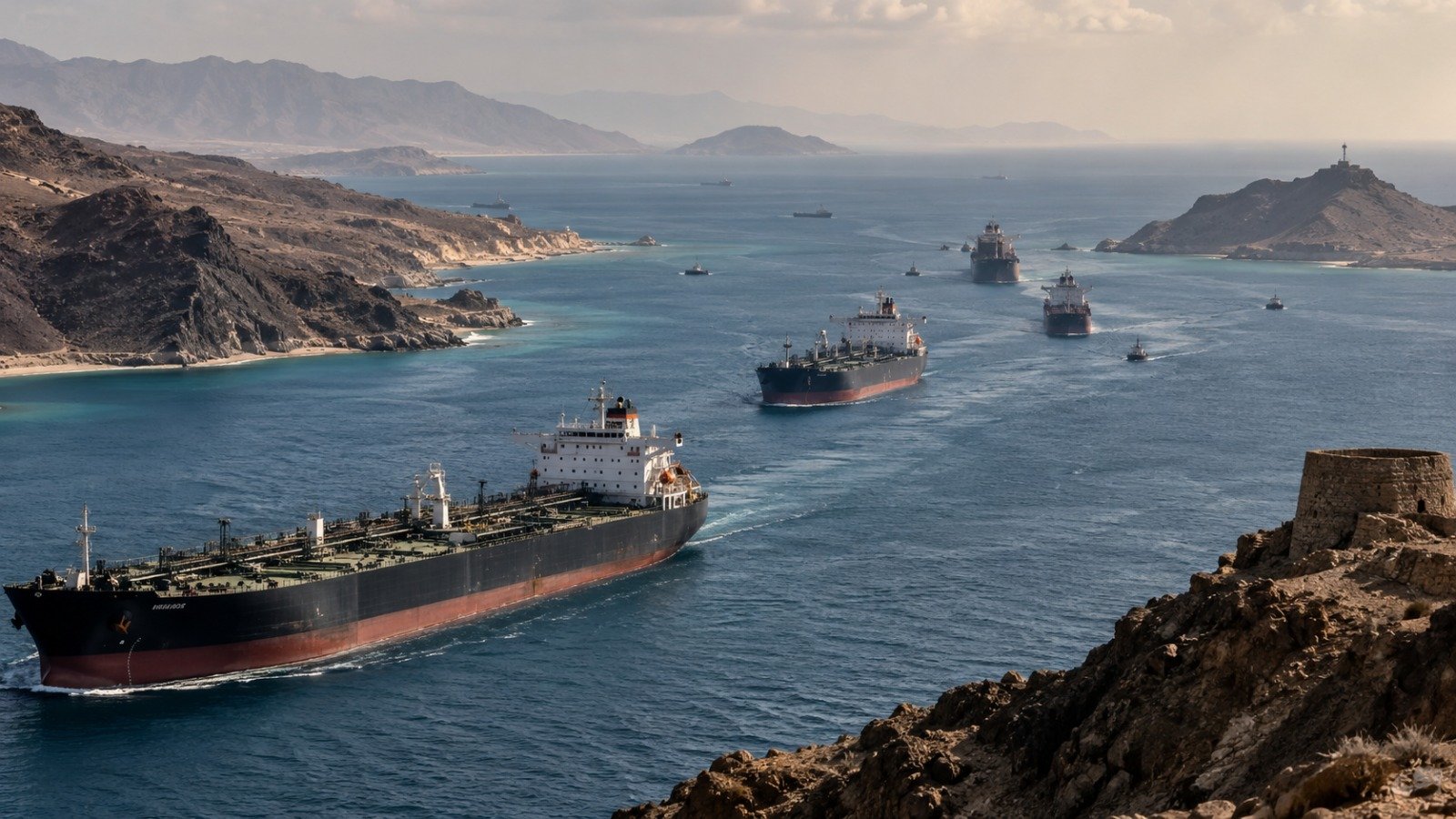
DUBAI — Commercial shipping traffic through the Strait of Hormuz fell further on Monday amid escalating military tensions across the Middle East, according to preliminary shipping data from maritime analytics company Kpler.
Kpler’s figures, released on Tuesday, showed that only four commercial cargo vessels passed through the strategic waterway on Monday, compared with 10 vessels on Sunday.
The sharp decline highlights growing concerns among shipping operators over the security of one of the world's most important energy corridors.
Only four commercial vessels recorded
According to the preliminary data, two bulk carriers exited the Strait of Hormuz on Monday.
One of the vessels was carrying cargo, while the other was sailing empty.
At the same time, two oil tankers entered the waterway. Both tankers were reportedly empty.
The figures indicate a significant reduction in normal commercial traffic as shipping companies and vessel operators assess the risks associated with navigating the waterway during the current regional crisis.
AIS data does not capture every vessel
Kpler cautioned that the figures do not include vessels that have switched off their Automatic Identification System (AIS) to avoid being tracked or identified.
AIS is widely used to monitor the location, movement and identity of commercial ships.
Some vessels may deliberately disable their AIS transponders because of security concerns, meaning publicly trackable shipping numbers may not represent the complete picture of maritime activity.
As a result, the latest figures should be regarded as an indicator of the decline in visible commercial traffic rather than a definitive count of every vessel moving through the Strait.
Why the Strait of Hormuz matters
The Strait of Hormuz is a narrow maritime passage connecting the Persian Gulf with the Gulf of Oman and the Arabian Sea.
It is one of the world's most strategically important shipping routes because a substantial share of global oil and liquefied natural gas exports passes through the waterway.
Any prolonged disruption could have significant consequences for global energy markets.
A reduction in tanker traffic can also increase shipping costs and insurance premiums as companies assess the possibility of attacks, delays or other security incidents.
Shipping companies face difficult choices
For commercial operators, the decision to use the Strait is increasingly becoming a balance between economic necessity and security risk.
Ships may continue to transit the waterway when commercially necessary, but operators can also delay voyages, reroute vessels where possible or reduce exposure until the security situation becomes clearer.
The decline in recorded traffic suggests that at least some operators are becoming more cautious.
Global energy markets watching closely
The Strait of Hormuz is particularly important for major oil-producing countries in the Gulf, including Saudi Arabia, the United Arab Emirates, Kuwait, Iraq and Qatar.
While some Gulf producers have alternative export routes, those routes cannot fully replace the capacity and strategic importance of Hormuz.
Saudi Arabia's East-West pipeline provides one alternative route toward the Red Sea, while the UAE also has infrastructure capable of bypassing the Strait.
However, a prolonged disruption at Hormuz would still create significant challenges for global energy supply chains.
A second maritime pressure point
The concerns around Hormuz come as the Red Sea and Bab el-Mandeb also face heightened security risks because of the conflict involving Yemen's Iran-aligned Houthi movement.
The simultaneous uncertainty surrounding two major maritime corridors has raised fears about the resilience of global energy and shipping networks.
If vessels begin avoiding both routes, the consequences could extend beyond oil markets to container shipping, food supplies, industrial goods and global trade.
The wider regional crisis
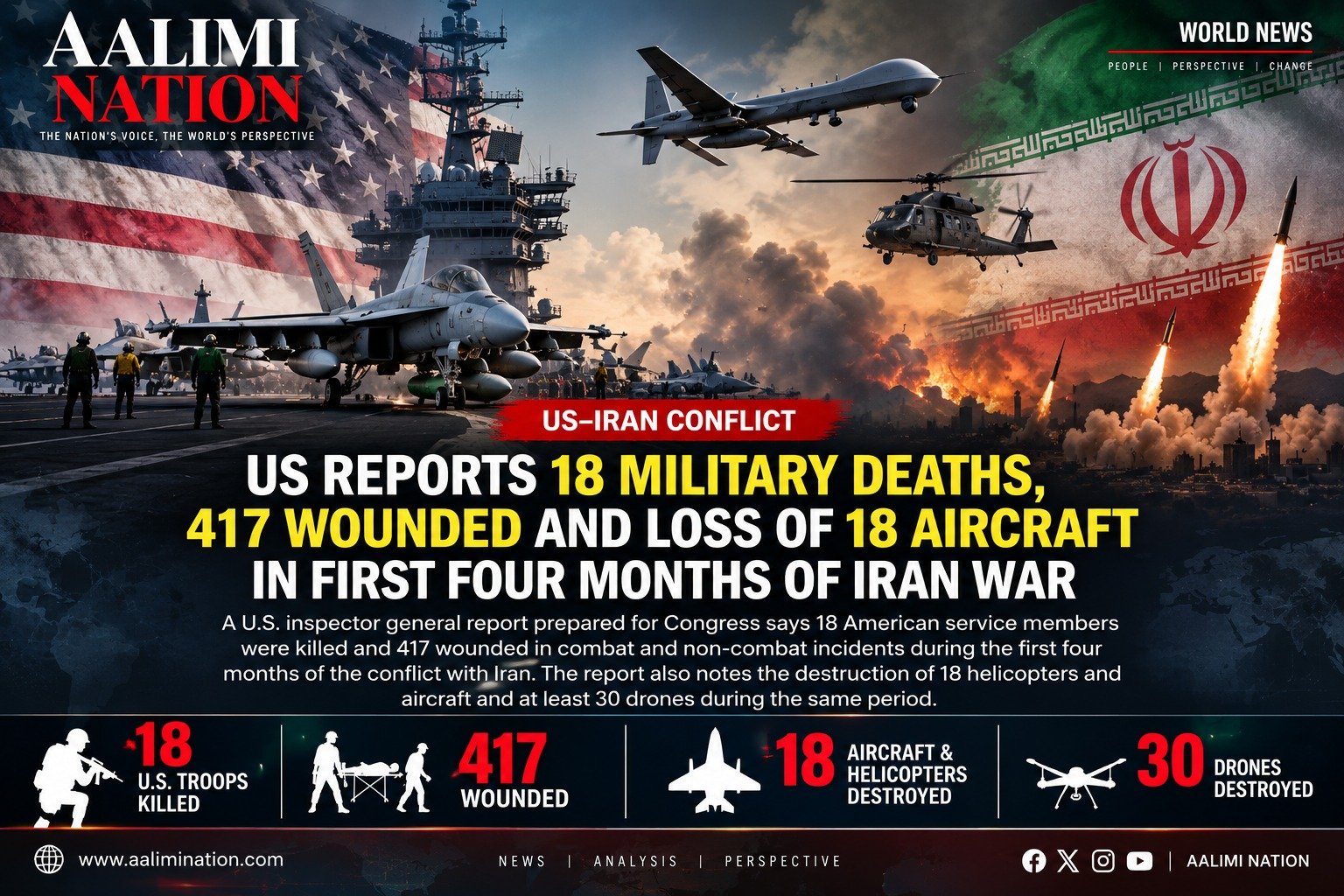
The decline in traffic through Hormuz comes amid a broader escalation involving Iran, the United States and regional actors.
Any incident involving a commercial vessel could rapidly increase pressure on governments and shipping companies to restrict movement through the waterway.
For now, the Kpler figures provide an important early indication of how the conflict is affecting maritime commerce.
The key question is whether Monday's sharp decline represents a temporary reaction to heightened tensions or the beginning of a more sustained reduction in shipping through the Strait.
If the latter occurs, the impact could be felt far beyond the Middle East — particularly through higher energy prices, increased freight and insurance costs, and renewed concerns over global supply chains.